How Consumer Protection Is Reshaping Hiring
27 Oct, 2026



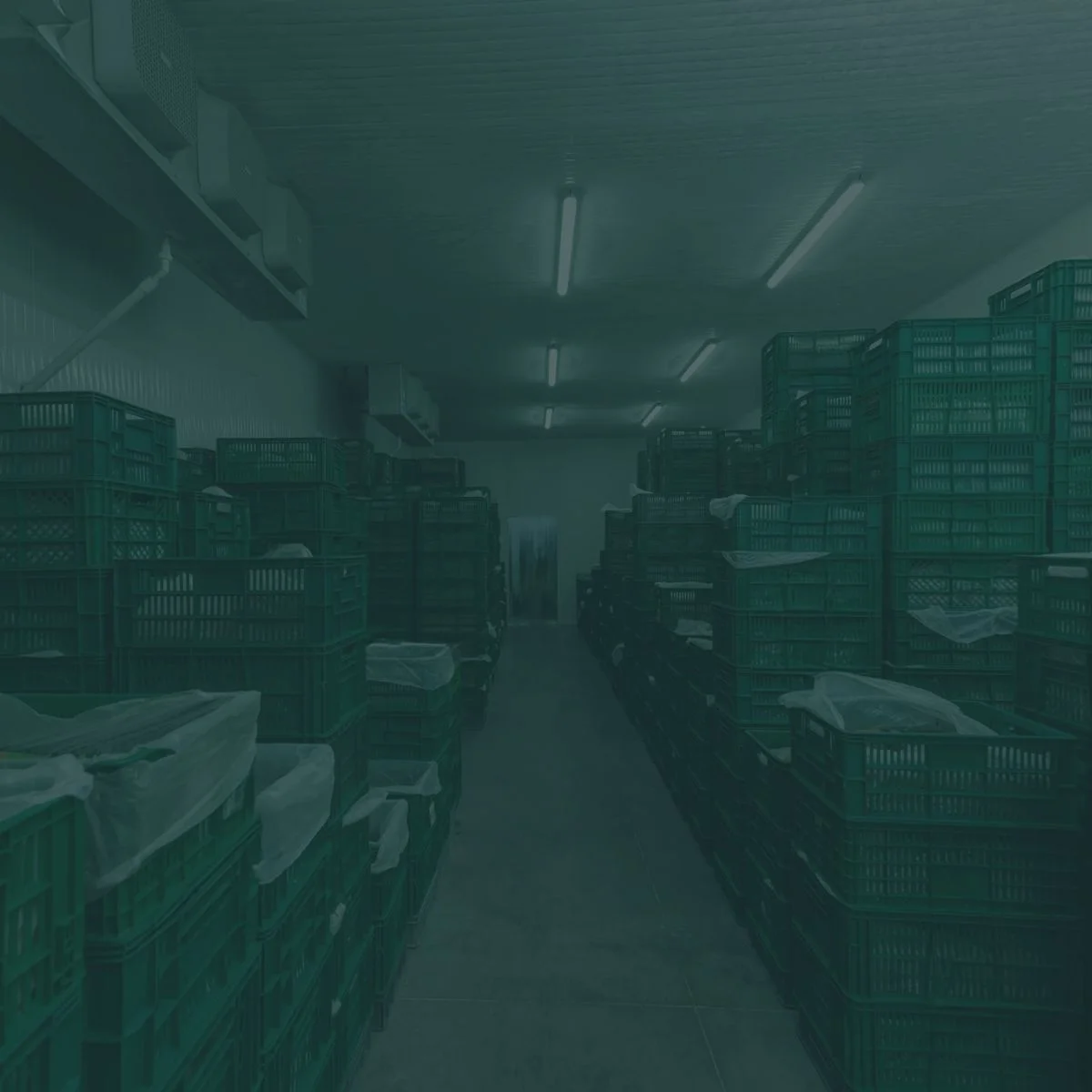
Cold chain management is the systematic process of monitoring temperature-sensitive supply chains from production to consumption. From vaccines that lose potency within hours of a temperature breach to fresh produce that spoils in transit, the stakes of getting it wrong are measured in wasted inventory, compromised public health outcomes, and regulatory penalties. This guide covers every link in the chain: facilities, equipment, monitoring, compliance, talent, and the recruitment challenges organizations face when building specialist cold chain teams.
A cold chain is the temperature-controlled segment of the supply chain that keeps products within specific temperature ranges from the point of manufacture or harvest through storage, transport, and delivery to the end user. Cold chain management encompasses the policies, infrastructure, equipment, monitoring systems, and trained personnel required to maintain those temperature bands without interruption.
The consequences of failure are significant. The International Institute of Refrigeration estimates that around 526 million tonnes of food are lost each year due to insufficient cold chain capacity, roughly 12% of global food production.
Consider the range of products at stake. Most vaccines must be stored at 2°C to 8°C. During the early rollout of mRNA COVID-19 vaccines in 2020 and 2021, ultra-cold storage at -80°C to -60°C was required, pushing global cold chain capacity to its limits. Chilled dairy exports must hold at +4°C across multi-day ocean shipments. Certain crop protection chemicals degrade above defined thresholds, rendering them ineffective in the field.
Motis works with organizations in logistics, agriculture, chemicals and consumer goods that run complex cold chains. These businesses need leaders who combine technical infrastructure knowledge with regulatory fluency and operational depth. Finding those people requires understanding what cold chain management actually demands on the ground.
Cold chain management is the subset of the supply chain dedicated to maintaining products within specific temperature ranges during storage, handling, and transport. It integrates with procurement, warehousing, transportation, and last-mile delivery but layers additional constraints driven by biological, pharmaceutical, or spoilage risks.
Core terminology includes:
Typical temperature bands across cold chain sectors look like this:
| Band | Temperature Range | Common Products |
|---|---|---|
| Refrigerated | +2°C to +8°C | Most vaccines, fresh dairy, chilled produce |
| Frozen | Around -20°C | Some vaccines, frozen food, biological reagents |
| Ultra-cold | -60°C to -80°C | mRNA vaccines, clinical trial shipments |
| Controlled room temperature | +15°C to +25°C | Some pharmaceutical products, room-stable chemicals |
For immunization providers, the cold chain ends when the vaccine is administered. For food, the chain ends at consumption or cooking.
Vaccines are among the most temperature-sensitive products in global supply chains. National vaccine storage guidelines in many countries set strict requirements: vaccines must be stored at 2°C to 8°C, and even brief exposure outside this range can damage potency irreversibly.
National guidelines, such as the vaccine storage chapter of the UK Green Book and Australia's "Strive for 5", set storage and transport within +2°C to +8°C, with +5°C as the target midpoint, and cover equipment standards, documentation, self-audits and breach response. The World Health Organization's Controlled Temperature Chain (CTC) approach permits limited exposure above +8°C for defined periods, but only for vaccines with stability data supporting it.
These guidelines assign responsibilities across supply tiers. Regulators define standards, immunization providers implement daily procedures and clinics follow standard operating procedures, and all must document, audit and respond to breaches. Leaders in vaccine management, public health supply chains and pharmaceutical quality need to know these frameworks in detail.
The cold chain has four core stages: production, storage, transportation, and delivery. Each introduces distinct risks to product integrity.
Production and initial cooling. Vaccines must be refrigerated within hours of production. Fresh produce undergoes pre-cooling in the field or packhouse to remove field heat and slow respiration. The speed and method of initial cooling directly affect shelf life and potency downstream.
Cold storage. This stage can last days or weeks depending on the product. Cold rooms, refrigerated warehouses, pharmaceutical fridges, and ultra-low temperature freezers maintain specific temperature conditions. Backup power through generators, alarm systems, and insulation design protect against unplanned interruptions.
Transportation. Refrigerated trucks, reefer containers, insulated containers, and validated shipping lanes move products domestically and internationally. Transportation introduces potential temperature excursions at multiple points, particularly at transfer hubs and loading docks. Packaging and insulation must suit the transit duration and transport mode.
Last-mile delivery. Last-mile delivery is often the most difficult stage to control. For vaccine outreach in rural or remote settings, portable cold boxes and passive packaging are critical. For grocery delivery, maintaining the temperature range between distribution center and doorstep requires careful timing and insulated containers.
Cold storage facilities range from small pharmaceutical fridges holding a few hundred vaccine doses to multi-thousand-square-meter refrigerated warehouses with multiple temperature zones.
Facility types and their applications:
Design elements include thermal insulation (polyurethane foam panels, vacuum insulation), airflow management to eliminate temperature fluctuations, backup generators for power redundancy, and alarm systems providing both local and remote notification. Facilities must undergo performance qualification, installation qualification, and operational qualification under regulatory standards. Maintenance schedules, calibration of sensors, and having trained engineers with cold chain equipment experience are non-negotiable for compliance.
Continuous temperature monitoring underpins every regulatory framework governing cold chains. Without it, there is no evidence that products remained within the recommended temperature range during storage or transit.
Data loggers are battery-operated devices that record temperatures at set intervals, creating a continuous audit trail. They differ from simple minimum-maximum thermometers, which only capture two data points between resets. For immunization providers, best practice guidelines call for data loggers alongside twice-daily manual readings of current, minimum, and maximum fridge temperatures.
Modern cold chain management systems go further. Wireless sensors transmit data to cloud dashboards, where temperature monitoring devices feed automated alerts via SMS or email when readings deviate from the required temperature range. These systems integrate with warehouse management or quality platforms for full visibility across the cold chain.
Regulatory frameworks set clear expectations. EU Good Distribution Practice guidelines require that temperature monitoring equipment be calibrated at least annually. FDA 21 CFR Part 211 governs pharmaceutical cold chain compliance, requiring documented calibration intervals, secure data storage, and record temperatures that are non-erasable.
A cold chain breach occurs when product temperature leaves the validated or labelled range for any duration. Excursions can trigger mandatory quarantine, halting distribution until quality teams assess the impact.
Root causes include equipment malfunctions (compressor failure, refrigeration units breaking down), power outages, a fridge door left open, human error in setting temperature controls, packaging failures, and transport delays.
When a cold chain breach occurs, immediate actions follow a defined sequence:
Breach management protocols belong in written standard operating procedures, regularly drilled and aligned with national vaccine storage guidelines and GDP requirements. Senior roles such as Quality Managers, Cold Chain Leads and Logistics Directors approve final product disposition, so these positions need candidates with direct breach management experience.
Cold chain requirements differ by sector, but share common principles of temperature control, hygiene, and traceability.
Pharmaceuticals and vaccines. Validated systems, strict documentation, deviation management, and patient safety define this sector. Pharmaceutical integrity is critical: improper temperature can render vaccines ineffective. Vaccine cold chain management demands compliance with GDP, WHO guidance, and national standards. Vaccine vial monitors provide visual confirmation of cumulative heat exposure, adding a layer of verification beyond electronic monitoring.
Food and grocery. Continuous temperature control restricts pathogen growth and prevents spoilage. HACCP programs provide the documentation and monitoring framework food safety authorities expect, across networks of cold stores, refrigerated trucks and retail display cases.
Agriculture and chemicals. Temperature-sensitive crop protection products, biologicals, enzymes, and reagents require controlled storage. Regulations are sometimes less prescriptive than in pharma, but product characteristics still demand validated cold chain processes.
Motis supports employers across these sectors by sourcing professionals with niche cold chain experience: GDP-compliant logistics managers, technical QA leaders, and specialist operations heads in consumer goods.
Cold chain compliance is regulated at international and national levels because failures directly affect disease control, patient safety, and public health.
Key frameworks include:
National guidelines in many countries prescribe temperature conditions, validated processes, sensor calibration certificates, deviation reports and periodic audits. Documentation obligations are non-negotiable.
Leadership roles in this space must combine operational knowledge with compliance experience. Previous regulatory inspection experience, whether from a health ministry audit or a GDP inspection, is a strong hiring criterion for Quality and Compliance directors.
Technology and procedures only deliver results when staff understand and apply them consistently. In many jurisdictions, immunization providers also need cold chain accreditation.
Training covers cold chain monitoring, use of temperature monitoring devices, emergency procedures when a cold chain breach occurs, proper handling of vaccines and perishable goods, and record-keeping.
Typical roles in cold chain operations:
| Role | Primary Focus |
|---|---|
| Cold Chain Lead | Overseeing all chain stages, breach response |
| Quality Assurance Manager | Validation, calibration, regulatory compliance |
| Warehouse & Distribution Manager | Cold storage operations, inventory, dispatch |
| Transport Planner | Route design, vehicle allocation, risk reduction |
| Maintenance Engineer | Refrigeration units, backup power, calibration |
| Temperature Monitoring Specialist | Data loggers, dashboards, alert management |
Motis recruits mid-to-senior professionals with proven cold chain experience, and our salary benchmarking shows what competitive pay looks like for these roles.
Digitalization is reshaping how organizations monitor and respond to cold chain incidents. IoT sensors and data loggers are utilized in cold chains for real-time monitoring of temperature and humidity, replacing manual checks that could miss hours-long excursions.
Emerging tools include Bluetooth-enabled data loggers, predictive analytics that forecast equipment failures before they happen, AI-driven alerting systems, and integrated monitoring platforms providing real time visibility across every node.
Practical applications are already deployed. Real-time reporting for vaccine shipments allows public health teams to intervene before product is compromised. Automated excursion reporting feeds directly into quality management systems, eliminating manual transcription errors. Route optimization software reduces transit time, cutting both risk and energy consumption.
Phase Change Materials help stabilize vaccine storage temperatures during transit by absorbing and releasing thermal energy at defined points, reducing reliance on active refrigeration. Passive solar-powered cold storage devices are gaining traction in off-grid and rural settings. WHO's Extended Controlled Temperature Conditions (ECTC) policy is enabling vaccine formulations that tolerate controlled exposure above +8°C, reducing infrastructure dependence in remote immunization programs.
Demand for leaders who can evaluate, procure, and implement these technologies is growing.
Cold chain logistics carry more complexity than ambient logistics because temperature deviations produce immediate, often irreversible, product consequences. Cross-border shipments, long transit times, and regions with limited infrastructure amplify every risk.
Transfer points are a recurring weak spot. Loading docks, airport tarmacs, and distribution hubs are where products are most exposed to ambient conditions, often with minimal monitoring. Lack of real time visibility means many older systems rely on manual checks once or twice daily; by the time a breach is discovered, damage is done.
Insufficient backup power remains a threat. Generator failures or delayed fuel deliveries can leave an entire cold room unprotected. Inconsistent handling procedures between different partners, whether third-party carriers, local clinics, or franchise operators, introduce variability that is difficult to control centrally.
Workforce challenges compound the problem. Specialist cold chain roles face skills shortages in many geographies. Technicians for refrigeration repair are in short supply. High turnover among warehouse staff means constant retraining. New monitoring technologies create a learning curve that organizations underestimate.
Real-world incidents illustrate the pattern: a clinic loses power overnight and discovers compromised vaccine stock the next morning; customs delays leave deep-frozen biologics sitting on a tarmac; a loading bay fridge door is left ajar, causing temperature spikes that spoil an entire shipment of fresh produce. These challenges reinforce the need for experienced managers, planners, and quality leaders who can design resilient chain management strategies.
The following practices form a practical checklist for organizations operating cold chains:
Organizations in hypergrowth or undergoing network change should review their cold chain talent structure. Partnering with a specialist recruiter can accelerate the process of building or upgrading teams.
Guidelines, technology, and validated equipment do not execute themselves. Organizations succeed when they have the right people applying these tools with discipline and judgement.
The skill blend required for senior cold chain roles is unusually broad: supply chain design (transport modes, network nodes, modal choice), engineering knowledge of cold storage facilities and refrigeration systems, quality and regulatory fluency (GDP, HACCP, WHO vaccine guidance), and data literacy for interpreting monitoring system outputs. Vaccine cold chain management, in particular, demands professionals who understand how to protect vaccines from manufacturer to patient without a single gap in the temperature record.
Hiring challenges are real. Ultra-cold chain experience is rare; only a small number of professionals managed -80°C logistics before 2020. Food cold chain expertise does not transfer directly to pharma without retraining on validation and documentation standards. Competition for talent is global, and cultural fit in regulated environments demands careful assessment.
If your current leadership bench does not match your cold chain ambitions, that gap will show up in audit findings, product losses, and missed growth targets. Addressing it is a strategic decision, not a back-office task.
Cold chains are energy-intensive. Refrigeration, freezing and climate-controlled transport consume large volumes of electricity and fuel, often using refrigerants with high global warming potential. When refrigeration fails, the lost food also carries the emissions used to produce and move it.
Optimizing cold storage facilities, improving route planning, and upgrading to higher-efficiency refrigeration units cut both carbon emissions and operating costs.
Emerging practices include:
Demand for roles focused on sustainable cold chain design is growing. Employers increasingly seek candidates who combine cold chain operations expertise with sustainability credentials, a combination that matters more and more for organizations with net-zero commitments.
Resilient cold chain management is a continuous improvement process. Treating it as a one-off project leads to drift, outdated procedures, and eventual breach.
Formal risk assessments should cover every link: production, cold storage, transport, last-mile delivery, and return or recall processes. Risks include power failure, transportation delays, human error, aging equipment, and regulatory changes. Each risk needs a mitigation plan with defined ownership.
Internal self-audits check documentation, equipment calibration records, temperature logs, and incident response effectiveness. Third-party audits and regulator inspections measure compliance against GDP, national vaccine storage guidelines, or HACCP standards. Findings feed into CAPA systems: breach investigations drive procedural changes; preventive measures such as adding backup power or upgrading packaging get implemented with deadlines and accountability.
Some health systems mandate periodic cold chain audits for immunization providers, with self-audit templates and checklists completed annually.
Organizations increasingly seek leaders who can embed a culture of audit readiness, data-driven decisions, and cross-functional collaboration. Cold chain performance is not a logistics-only concern; it touches quality, regulatory, operations, and commercial teams.
Cold chain management is the control of temperature-sensitive products from production to the end user. It covers the facilities, equipment, monitoring systems, procedures and trained people needed to keep products such as vaccines, fresh food and some chemicals within their required temperature range throughout storage and transport.
Most vaccines must be stored between +2°C and +8°C. Some need frozen storage at around -20°C, and certain mRNA vaccines need ultra-cold storage at -60°C to -80°C. The product label and national guidance set the exact range.
Affected stock is quarantined, data logger records are downloaded to establish how long and how far the temperature moved, and quality teams or health authorities are notified. The incident is documented with its root cause and corrective action before a decision is made to use, relabel or discard the product.
Senior cold chain roles combine supply chain design, knowledge of refrigeration and cold storage engineering, regulatory fluency in GDP, HACCP and WHO guidance, and the data skills to interpret monitoring outputs. Direct experience of breach management and regulatory inspections is a strong advantage.
Cold chain performance depends on validated infrastructure, continuous monitoring, regulatory knowledge and, above all, the right people. Motis recruits cold chain, quality and logistics leaders through retained and executive search, exclusive contingent recruitment, RPO, and talent mapping and salary benchmarking.
If you are scaling cold chain operations, building new cold storage capacity or responding to tighter regulation, contact Motis for a confidential conversation. If you are a cold chain or quality professional looking for your next role, we would like to hear from you too.