How Consumer Protection Is Reshaping Hiring
27 Oct, 2026



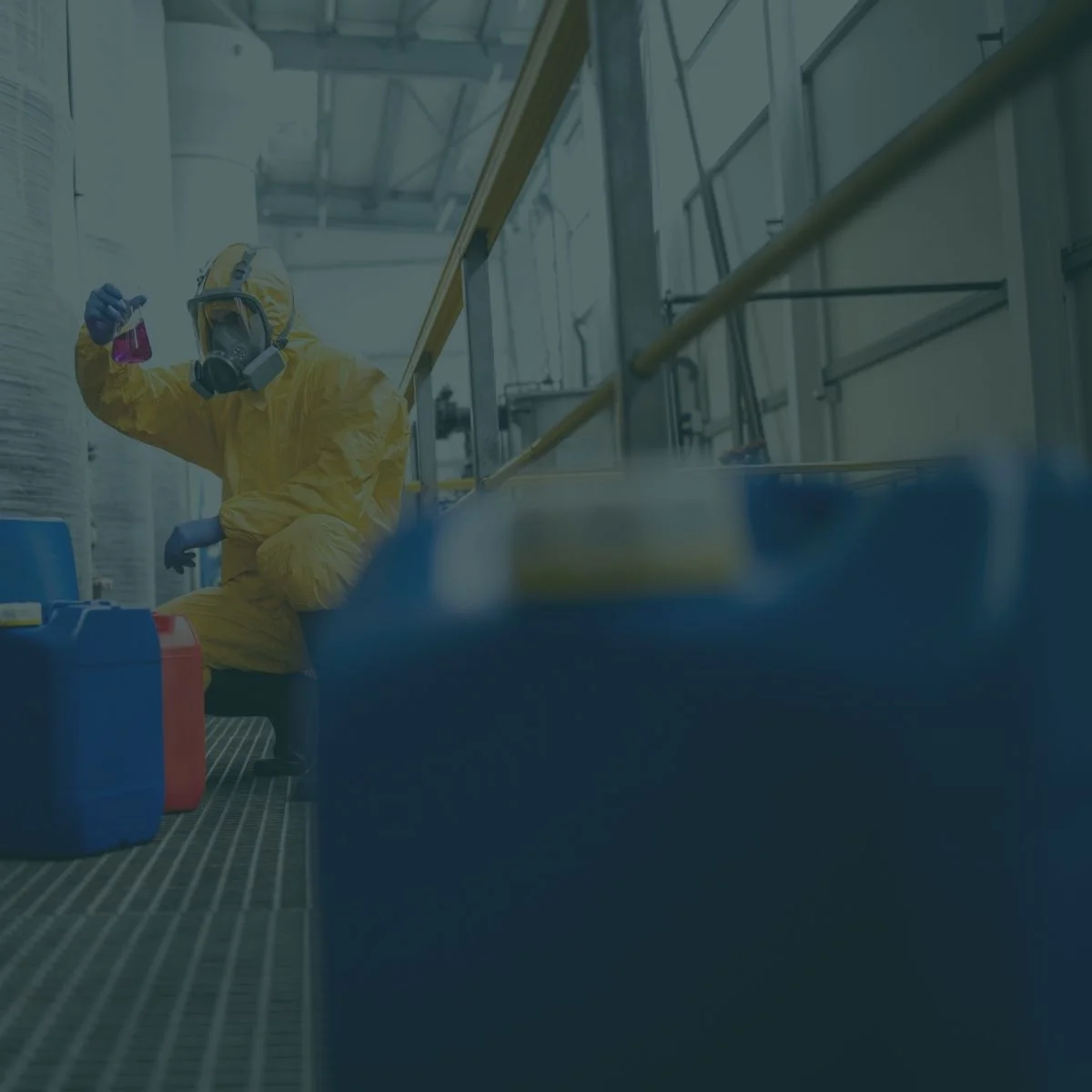
The Chemicals industry converts raw materials into tens of thousands of products, and 96% of manufactured goods include chemicals as key inputs. Yet the sector is caught between structural overcapacity in basic chemicals and persistent growth in specialty segments. Global chemical production grew at roughly 3.4–3.5% in 2025, but European chemical producers face higher energy costs compared to those in cheaper regions like the US; EU gas prices ran approximately 3.9× US levels as of late 2024, and the EU lost 15% of steam-cracking capacity since 2021. Specialty chemicals, by contrast, grew at around 5% in 2025 and continue to outpace commodity segments. The result: chemical companies across polymers, coatings, adhesives, crop protection, and fine chemicals are competing for a shrinking pool of experienced leaders who can operate in this environment.
The hiring problems are specific. Finding senior process engineers, plant managers, and regulatory experts with REACH, CLP, or TSCA experience who will relocate to clusters like the US Gulf Coast, Rotterdam, Teesside, Singapore, the Ruhr, or Jubail is a persistent bottleneck. A 2024 survey by Dennis Partners found that 67% of companies hiring regulatory affairs professionals cite lack of qualified candidates as their primary obstacle. Replacing retiring technical leaders in polymer, surfactant, and catalyst R&D compounds the challenge: Deloitte data shows chemical engineers are declining in number in some regions even as demand for industrial engineers, materials engineers, and EHS specialists climbs. Confidentially upgrading underperforming commercial leaders in specialty chemicals, coatings, or performance materials adds another layer of complexity that generalist recruiters rarely handle well.
In Chemicals, the measure of recruitment is not CVs sent but roles filled with the right people who stay and deliver results. That depends on:
Chemical businesses, from mid-market manufacturers to PE-backed platforms, need a hiring process that aligns with site safety, confidentiality, and board expectations without creating administrative drag.
Every search starts with a structured briefing with business leaders, HR/TA, and site management. On-site visits happen where site context matters.
We capture four things. First, business context: are you running a plant turnaround, commissioning new polyolefin capacity, launching a specialty additive, or expanding into battery materials or green solvents? Second, technical environment: batch or continuous, hazardous area classification, scale, key unit operations, automation level, and process safety profile. Third, regulatory and compliance context: Seveso/COMAH tier, REACH responsibilities, ESG targets, and where your decarbonization roadmap stands (e.g. carbon capture, electrification, hydrogen use). Candidates who understand the transition from pilot to early commercial CCUS or bio-based feedstocks are scarce. Fourth, a success profile: what a strong 12-month outcome looks like in hard terms, whether that is reduced incident rates, higher throughput, successful product scale-up, or winning key accounts.
We also advise on realistic salary ranges using live market data. Packages for roles that require relocation to high-hazard or high-cost hubs are often well above base salary once bonuses and long-term incentives are included.
This phase is built on proactive headhunting, not job ads. The candidate pool is large in aggregate, but the subset with the right combination of site type, chemistry, and regulatory experience is small.
We talent-map direct and adjacent competitors: global majors, regional champions, toll manufacturers, and specialty players in coatings, personal care, construction chemicals, and electronics. Where appropriate, we identify talent in related regulated sectors like pharmaceuticals, biotech, and advanced materials, particularly for quality, regulatory, or process excellence roles. Professionals from those environments often carry transferable regulatory discipline. We reach passive candidates in target geographies who have led similar plant sizes, chemistries, or market segments, and we draw on our Chemicals candidate network of leaders previously placed in process engineering, operations, EH&S, technical sales, and product management.
Searches run on three models:
Shortlisted candidates are evaluated through structured interviews covering technical knowledge (unit operations, chemistries used, scale-up experience), leadership style, safety culture, and track record. Each candidate receives an evidence-based summary: site types managed, production volumes handled, regulatory environments experienced, notable projects including start-ups, debottlenecking, and new product introductions. Where relevant, psychometric or leadership assessments are aligned to Chemicals manufacturing or commercial leadership roles.
We manage interviews around shift patterns, turnarounds, and year-end shutdowns to reduce disruption.
Offer management includes advising on competitive package structures: base salary, bonuses tied to site safety and performance, LTIPs for senior leaders, relocation support, and regional cost-of-living adjustments. Where international relocation is involved (to the GCC, Asia, or between Europe and the US), we support family buy-in and manage resignation and non-compete issues. Follow-up through the first six months supports long-term retention.
Most recruitment firms treat Chemicals roles as generic engineering or sales hires. The difference between a generalist approach and a specialist one shows up in failed placements, extended vacancies, and safety incidents from leaders who lack the right process background.
Motis works with mid-sized to large Chemicals organizations, including PE/VC-backed platforms and fast-growth specialists, across the following segments:
We support roles from senior specialist (Lead Process Engineer, Senior Formulation Chemist) through to C-suite (COO, VP Manufacturing, Chief Commercial Officer) in Chemicals-focused organizations.
8–12 weeks for senior site and functional leadership roles when engaged on an exclusive basis. 4–8 weeks for specialist mid-senior roles, depending on location, niche expertise, and relocation requirements. Timeline factors include plant location (remote vs hub), scarcity of specific skills (hydrogen, CCUS, battery materials), and confidentiality constraints.
Confidential replacements, restructurings and stealth market entries are common in Chemicals. Good practice includes non-disclosure agreements, anonymized role pitches during initial outreach, discreet targeting from agreed non-solicitation lists, and a small number of internal stakeholders. Chemical parks and refinery communities are tight-knit, so a leak during a search can destabilize operations.
Yes. Chemicals hiring is often international. Typical examples include European HQ teams hiring regional leaders for US Gulf Coast, Singapore, or Saudi Arabia operations; US-based specialty players building commercial or technical teams in Europe or the Middle East. Cross-border searches need to manage cross-border relocation, local market salary expectations, and visa considerations in collaboration with client HR and mobility teams.
Ask candidates for real incident learnings, near-miss handling and examples of process safety leadership. Check their record on safety metrics and improvement initiatives such as behavioral safety programs, root cause analyses and PSM audits, and take references that focus explicitly on HSE behavior in high-hazard environments, not just operational output.
The Chemicals sector faces a convergence of pressures: a retirement wave in senior technical roles, tightening regulatory requirements under REACH and TSCA, economic growth in specialty segments that demands new commercial talent, and a structural downcycle in basic chemicals that forces efficiency-focused leadership hires. Each of these creates a hiring need that generalist recruitment cannot fill.
Motis provides faster access to specialist Chemicals talent who improve plant performance, safety, and growth. We reduce hiring risk in senior and specialist roles through sector-specific assessment, salary benchmarking, and market insight rooted in how this industry actually operates.
Book a Chemicals hiring consultation. Whether you need a single critical hire in 2026, such as a Plant Manager, Head of Regulatory, or Commercial Director, or a broader conversation about upcoming portfolio shifts, plant closures, expansions, and the Chemicals leadership and specialist skills needed over the next 12–24 months, we are ready to start.