Flavors and Fragrances: Market Trends and Talent
25 Oct, 2026



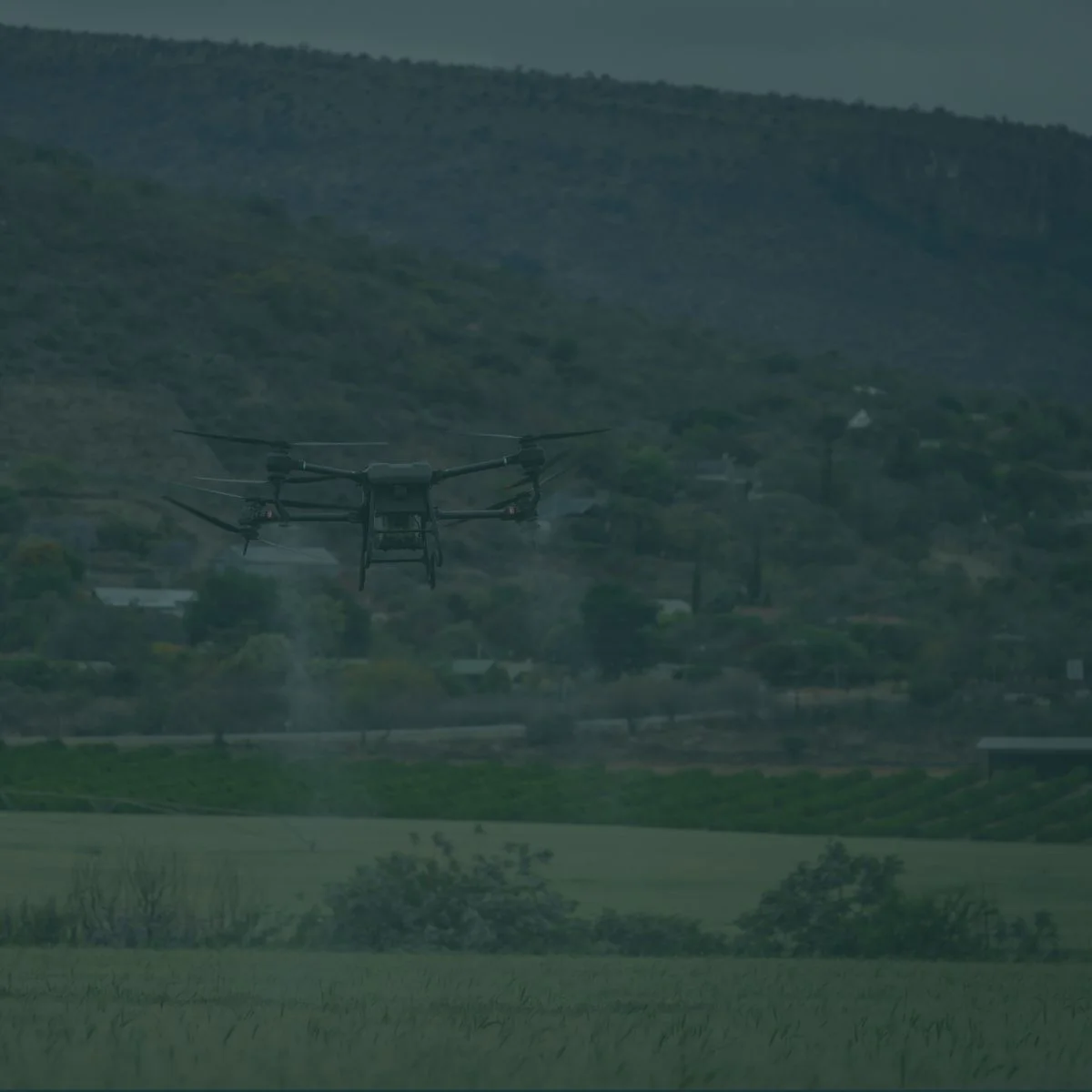
AgTech is the application of modern technology to agriculture and horticulture. It sits at the convergence of artificial intelligence, IoT, robotics, biotechnology and data analytics with the business of growing, processing and distributing food. AgTech informs management decisions based on specific agricultural data, and it aims to improve the efficiency, profitability, and sustainability of food production.
Several forces have accelerated AgTech adoption since roughly 2015. Climate volatility has pushed growers to build resilience into every hectare. Labor shortages, worsened by an aging farm workforce in Europe and post-COVID scarcity, have made automation essential. Rising input costs for fertilizers, fuel and pesticides force farmers to do more with less. And food security pressure from a world population that passed 8 billion in late 2022 demands higher yield per unit of land.
Adoption is already measurable. In the UK, auto-steering or guidance systems are used by approximately 22% of farms, soil mapping by around 20%, and variable-rate technology by roughly 16%. Across the US corn and soybean belts, digital farm management software platforms and satellite imagery are standard tools on large operations, while in India, B2B market linkage and drone-based crop monitoring attract growing capital.
Motis is a specialist recruitment partner across agriculture, chemicals, logistics and consumer goods, working in Europe, the Middle East, the US and Asia. The rest of this article is a practical guide for agribusiness leaders and HR teams navigating AgTech.
A modern digital farm ecosystem links distributed hardware (sensors, machinery, drones, satellites), connectivity layers, cloud data platforms, and analytical tools into a single decision loop. AI-driven decision support platforms help manage agricultural operations more efficiently by turning raw field data into actionable recommendations. Weather forecasting tools enhance responsiveness to adverse growing conditions, feeding real-time weather data into planting and harvesting schedules.
Key AgTech solutions across the value chain include:
These technologies cluster in specific markets. Western Europe and North America lead in precision ag and CEA adoption. Israel, India, Brazil and Southeast Asia are fast-growing hubs. Growers, input suppliers, food processors, logistics providers and retailers each interact with different layers of this ecosystem.
Precision farming means managing each unit of land based on site-specific data rather than field averages. IoT sensors track soil conditions and crop metrics in real time, feeding cloud dashboards where analytics models support agricultural decisions.
Core tools and their outcomes:
Done well, precision farming reduces chemical use, improves resource efficiency and delivers more consistent crop production in erratic seasons.
Talent implications: organizations need agronomists with data skills, precision ag specialists, field application engineers, and product managers who translate technology into farmer ROI.
Vertical farming uses vertically stacked layers for crop growth inside climate-controlled buildings. It employs hydroponics and aeroponics for soil-less farming, while LED lights simulate sunlight in vertical farming systems, enabling year-round crop production of leafy greens, herbs and high-value products regardless of location or season. This method allows consistent harvesting schedules and reduces transport distances to urban markets.
Major operations run in the UK, Germany, UAE, Singapore and the US, often funded by PE/VC investors. Vertical farming reduces water usage compared to traditional farming; closed-loop water systems save up to 95% versus open-field methods. Revenue reached about $7.4 billion in 2025, projected to hit $22 billion by 2035 at a CAGR of roughly 11.4%.
Open-field farming carries lower upfront capital but high weather and pest risk. CEA demands large initial investment in buildings, HVAC and LED systems, plus ongoing energy costs; it delivers consistent quality, lower pesticide dependence and proximity to markets.
Biotechnology accelerates the development of climate-resilient crop varieties. Genetic engineering creates GMOs for desirable crop traits such as pest resistance and nutrition density. CRISPR-edited banana with disease resistance received approval for cultivation in the Philippines in 2024.
Talent needs: plant scientists, controlled-environment engineers (HVAC, LED), biotech R&D leaders, regulatory affairs experts for navigating GM/gene-edit approvals, and quality and compliance managers. Animal health and nutrition roles are a related growth area as feed-crop innovation expands.
Farm management software serves as the operating system of the modern farm, connecting fields, machinery, inputs, labor and finance into one digital platform. Typical capabilities include:
AI and big data analytics add predictive layers: yield prediction models, disease and pest risk alerts, carbon footprint tracking per crop or field, and margin analysis. At WG Fry & Son in Wiltshire, variable-rate phosphorus, potassium and seed rates across 14 farm units lifted average wheat yields from roughly 10 t/ha to approximately 11 t/ha. G's Fresh built an AI-powered system with Eagerworks to detect, count and size-measure pumpkins and onions on the harvesting line in real time.
Robotics and automation address labor shortages at peak times. Robotic harvesters and weeders handle planting, weeding and harvesting tasks with greater precision, while livestock platforms monitor animal health and feed efficiency through wearable sensors and computer vision.
Business outcomes include tighter cost control, evidence-based decisions for growers and input suppliers, and stronger data for ESG reporting.
Talent needs: SaaS product managers, data scientists building predictive models, customer success leaders with agronomy backgrounds, and sales specialists who can sell complex software solutions into conservative markets.
Global agrifoodtech venture funding peaked in 2021 and fell sharply by 2024. Despite the correction, capital is shifting rather than vanishing, toward precision farming and sensors, ag-biotechnology and sustainable input technologies.
Regional dynamics:
ESG and regulatory pressures are tightening. Carbon reporting requirements in the EU, pesticide restrictions, and retailer sustainability scorecards push organizations to adopt traceability and monitoring technologies. These trends create demand for executives who can scale across countries, manage regulatory complexity, and lead PE/VC-backed scale-ups through growth.
AgTech is the use of technology in agriculture and horticulture to improve efficiency, profitability and sustainability. It includes precision farming, farm management software, robotics, controlled-environment and vertical farming, biotechnology and data platforms.
Precision farming manages each part of a field according to its own data, rather than treating the whole field the same. GPS guidance, soil and yield mapping, sensors and variable-rate application let growers apply seed, fertilizer, water and crop protection where they are needed.
AgTech businesses hire agronomists with data skills, precision agriculture specialists, field application engineers, software engineers, data scientists and SaaS product managers, alongside plant scientists, controlled-environment engineers and commercial leaders who can sell technology into farming.
The most valued candidates combine agricultural knowledge with technical or commercial skills: agronomy with data analysis, engineering with field experience, or software sales with an understanding of how farms make decisions. That hybrid profile is scarce, which makes AgTech one of the harder areas to recruit.
Motis recruits for AgTech businesses and the agribusinesses adopting their technology, from heads of precision farming and CEA operations directors to farm software product leaders, data and analytics heads, field application specialists, and commercial and partnerships directors.
If you are building an AgTech team, contact Motis for a confidential conversation about the market, compensation and realistic timelines. If you are exploring your next leadership move in AgTech, we would like to hear from you too.