
The Logistics Industry
Logistics Software, SAAS and AI
Logistics Technology recruitment across TMS, WMS, freight technology, supply chain visibility, AI and data platforms.
Our Clients and Partners
We work with some of the top global companies and organizations in the world in each industry. We provide them with key services and solutions with their recruitment needs.



Logistics Technology recruitment across TMS, WMS, freight technology, supply chain visibility, AI and data platforms.
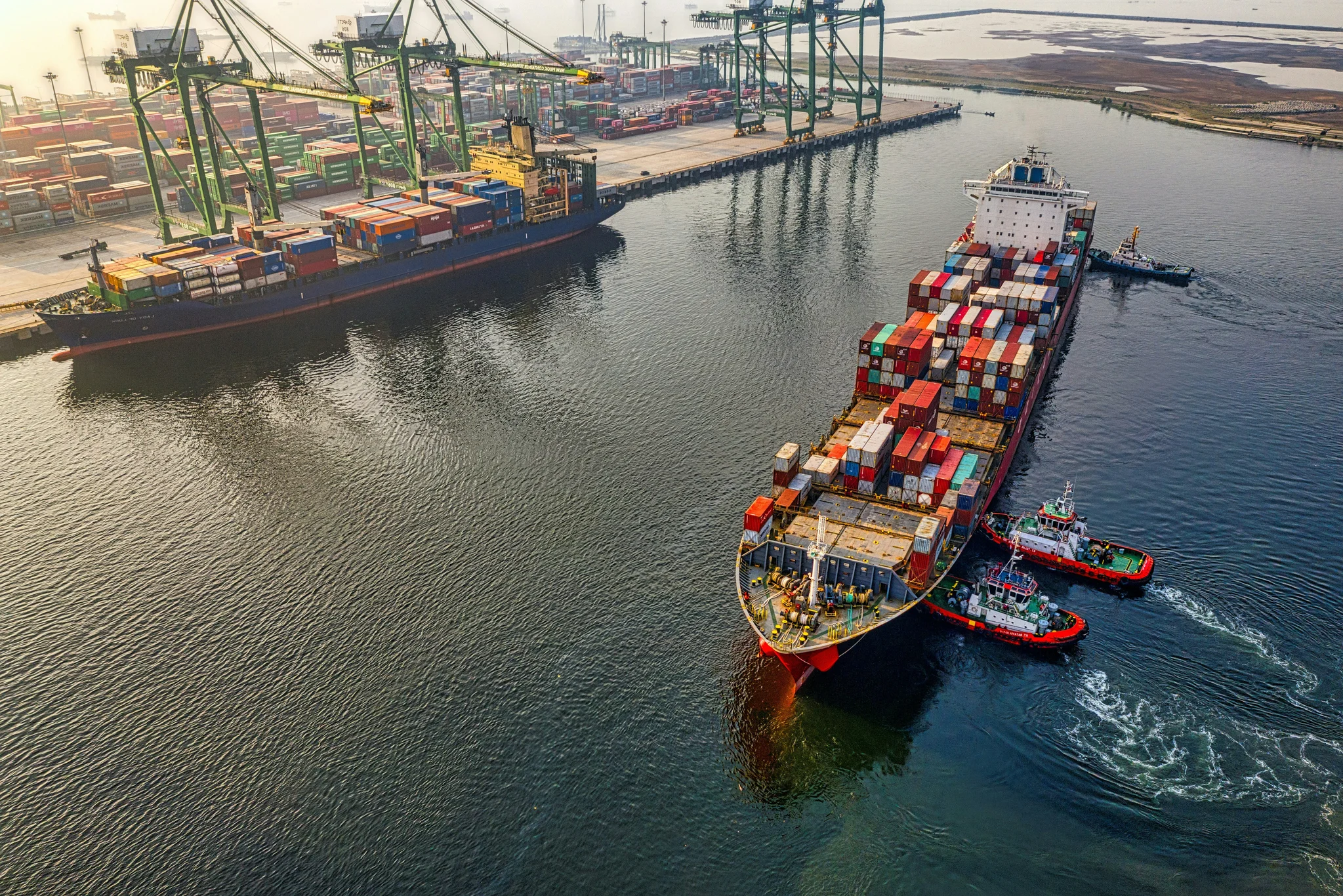
Technology is becoming an increasingly important part of the global logistics and supply chain industry. Software, SaaS, AI, data and digital platforms are changing how businesses move, store and manage goods, helping companies improve visibility, automate processes, optimize transportation and operate more efficiently.
The Market
The market is evolving rapidly. Logistics businesses are under pressure to reduce costs, improve customer experiences and make faster decisions, while advances in AI, automation and data create new opportunities for technology providers. From TMS and WMS platforms to freight technology, supply chain visibility, route optimization and AI-driven solutions, technology is becoming fundamental to modern logistics.
Opportunities
The sector includes early-stage SaaS companies and scale-ups through to established global providers, covering TMS, WMS, supply chain software, freight technology, visibility platforms, last-mile technology, analytics and digital logistics solutions.
Roles
Those businesses need specialist talent across commercial, sales, product, technology, engineering, data, customer success and leadership. The right people have a direct impact on product development, customer acquisition, technology adoption and commercial growth, and the strongest combine technical expertise with real knowledge of logistics.


Still looking? What about...
Featured Jobs
0 open roles
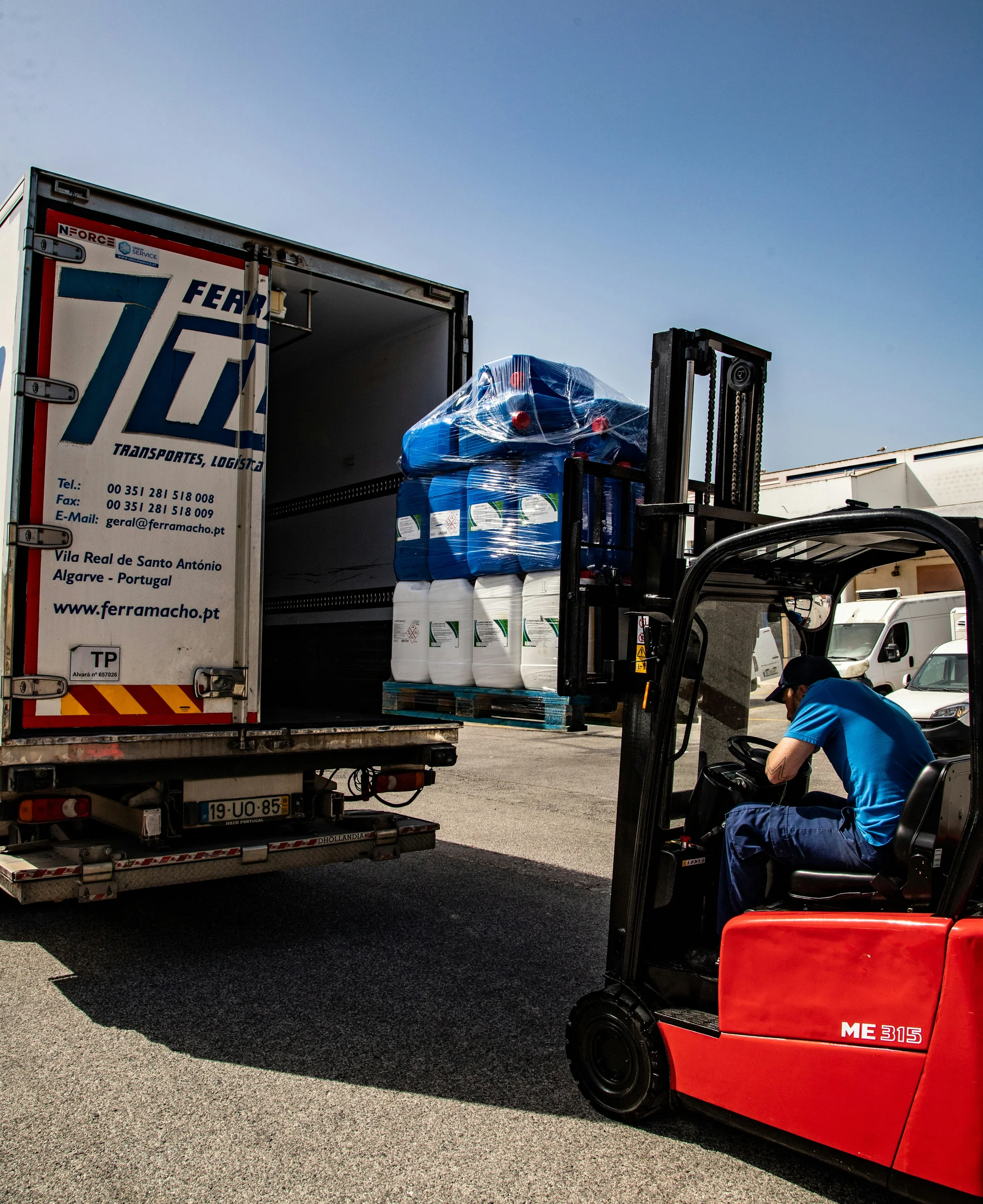

A logistics technology client hired two web developers through Motis.
Why
Our consultants bring industry expertise and deep sector knowledge to every retained assignment.
Key Strengths:
- We recruit exclusively in Logistics, so we understand the market, the talent landscape and the challenges businesses face when hiring specialist professionals.
- A decade in Logistics has given us deep market knowledge, trusted relationships and an extensive network of industry talent.
- We have partnered with some of the world's leading animal health companies to identify and attract talent across key functions and markets.
- A strong network of active and passive candidates means we can often introduce talent not available through traditional job advertising.
- Our approach is specialist, honest and consultative, whether a business is building its team or a professional is planning their next move.

Specialist Logistic Recruitment Specifics
Specialist Logistic Recruitment Specifics
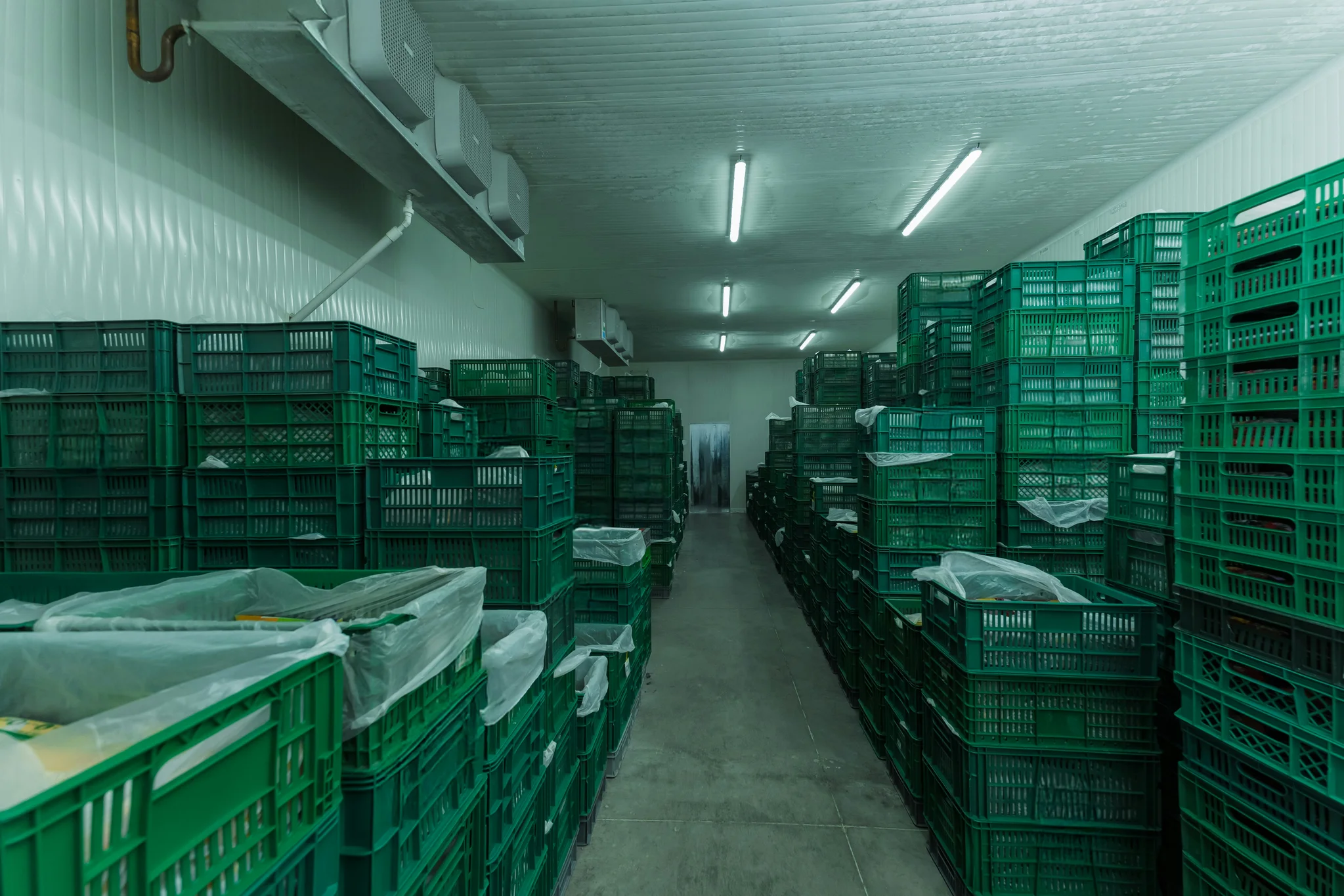
Cold Chain Logistics
Temperature-controlled storage, refrigerated transport and distribution for food and beverage, pharmaceuticals and healthcare, life sciences and temperature-sensitive chemicals. Temperature control, regulation, refrigeration infrastructure and product integrity make it one of the most specialized markets in logistics.
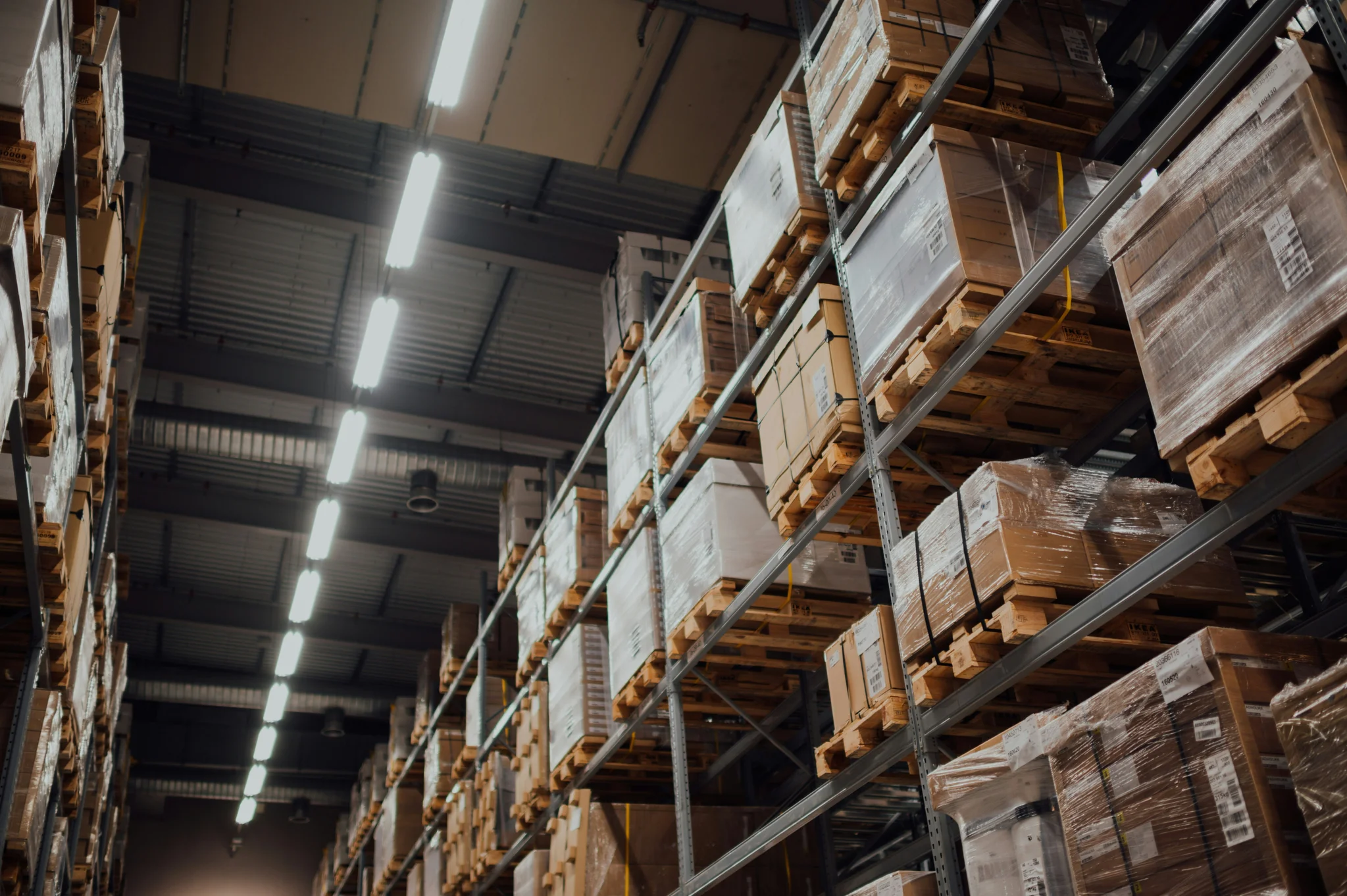
3PL & Warehousing
Third-party logistics providers manage warehousing, distribution, transportation and fulfillment on behalf of other businesses. E-commerce, automation, labor availability and rising customer expectations are changing how providers operate, from single contract sites to wider supply chain solutions.
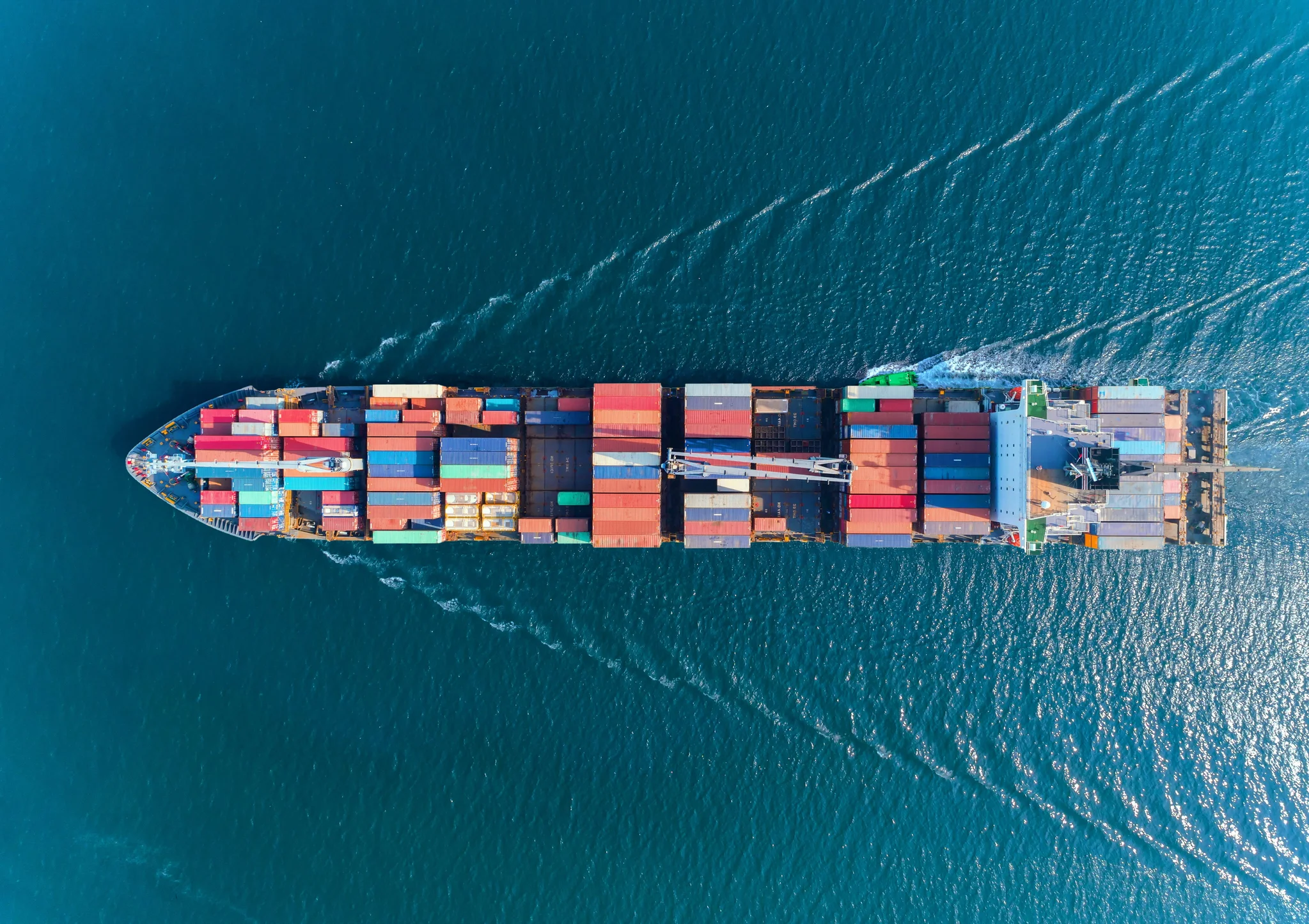
Freight Forwarding
Freight forwarders manage the movement of goods across borders by air, ocean, road and multimodal transport, handling bookings, documentation, customs and compliance. Shifts in global trade, technology and customer expectations for visibility and flexibility are changing the services they provide.
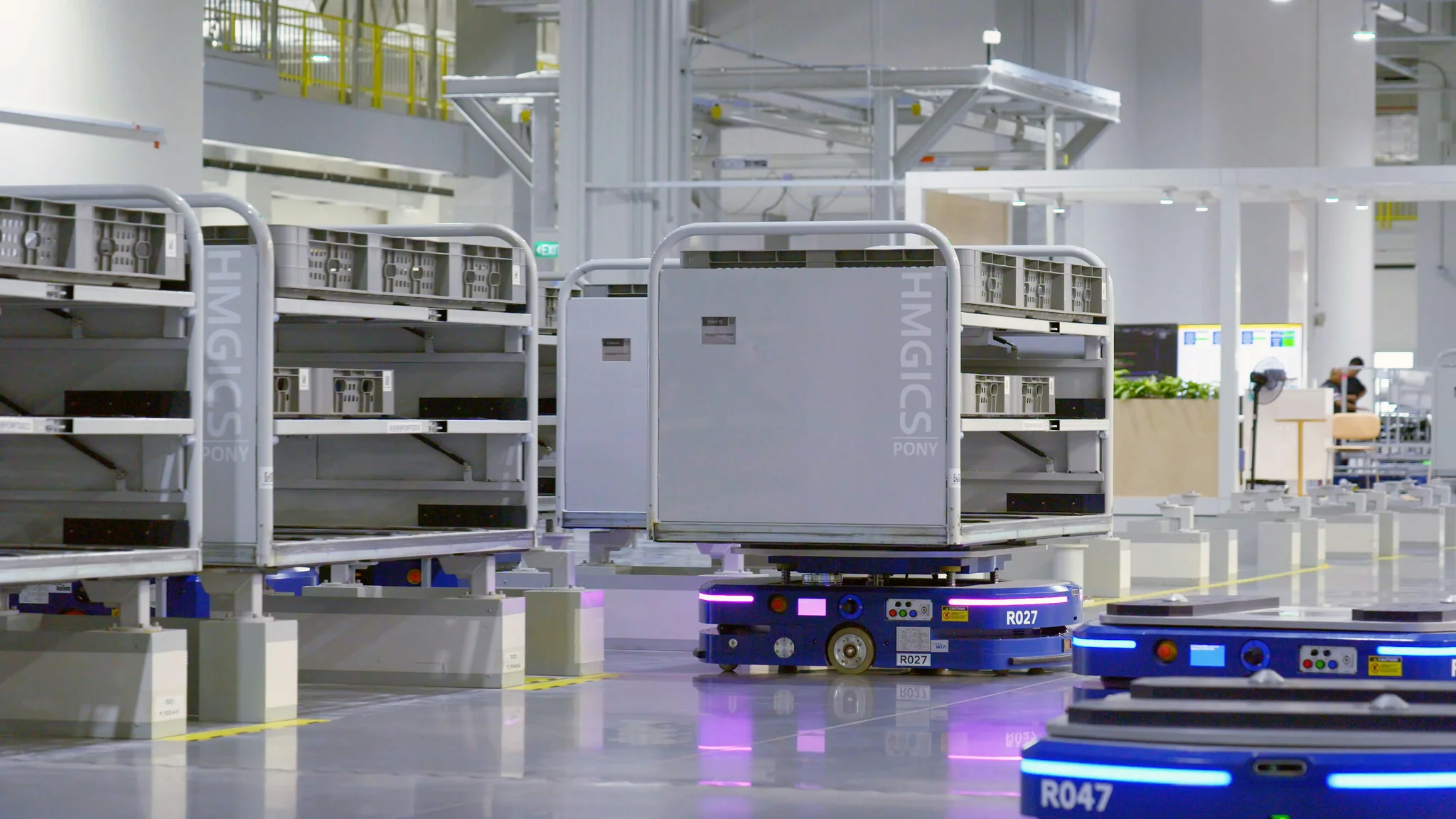
Warehouse Automation and Robotics
Intralogistics and automation businesses that design, sell and support systems for moving and storing goods. Key technologies include AS/RS, AMRs and AGVs, robotic picking and palletizing, conveyor and sortation systems, automated storage, machine vision and warehouse software.
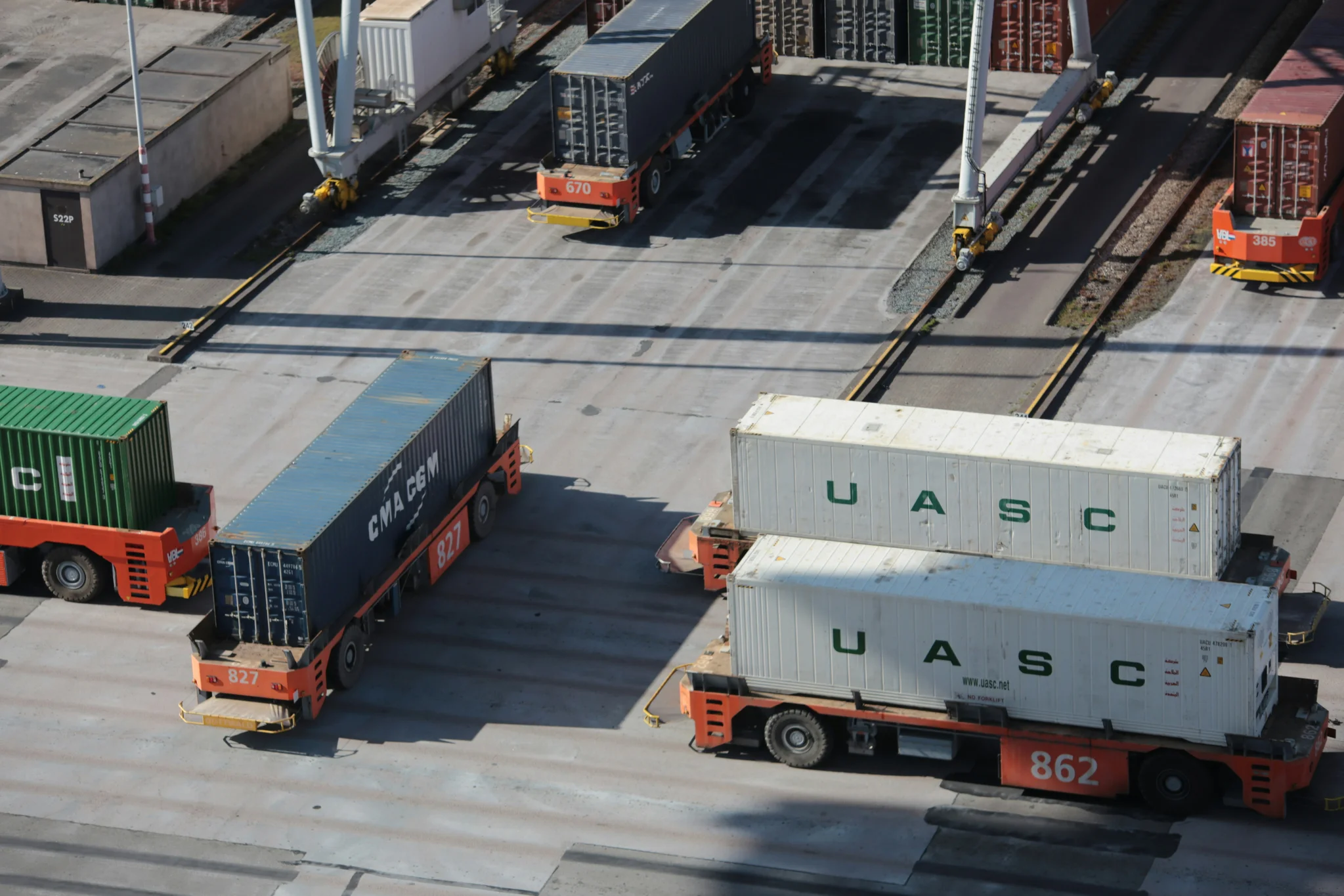
Logistics Technology
Software, SaaS, AI, data and digital platforms changing how goods are moved, stored and managed. The market spans TMS and WMS platforms, freight technology, supply chain visibility, route optimization and AI-driven solutions as logistics businesses look to cut cost and improve customer experience.
 Retained Search
A dedicated, exclusive search for senior, specialist and hard-to-fill roles, with direct approach to talent and full process management.
 Contingent Search
Success-based recruitment with Motis on your role, giving your vacancy focused attention and a fee only when you hire.
 Executive Search
Confidential headhunting for Director to C-suite appointments, built around the impact each leader needs to make.
 Talent Mapping & Salary Benchmarking
Market intelligence on where talent sits, who employs it and what it pays, so you can plan hires with evidence.
 RPO
Outsourced recruitment that scales with your volumes, run as an extension of your HR and talent teams.
Latest Insights
Frequently asked questions
Here to support with the most common questions asked by our clients.
Which businesses use WMS?
A WMS is used by businesses that need to manage inventory, warehousing and fulfillment at scale. This includes 3PLs, retailers, e-commerce businesses, manufacturers, distributors, food and beverage, pharmaceuticals, automotive and consumer goods companies.
Which businesses use a TMS?
A TMS is used by businesses managing significant transportation activity, including 3PLs, freight forwarders, retailers, manufacturers, distributors and e-commerce companies. It helps organizations plan shipments, manage carriers, optimize routes, control costs and improve visibility across their transportation networks.
What is the difference between a TMS and a WMS?
A WMS, or warehouse management system, manages what happens inside the warehouse: inventory, storage locations, picking and fulfillment. A TMS, or transportation management system, manages what happens between sites: planning shipments, selecting carriers, optimizing routes and controlling freight costs.
What is supply chain visibility software?
Supply chain visibility software tracks goods, orders and events across a supply chain in real or near-real time. It lets businesses see where shipments are, anticipate delays and share accurate information with customers and partners.
What industries use logistics technology?
Logistics technology is used across almost every industry that moves, stores or manages goods. That includes 3PL, freight forwarding, trucking and transportation, retail and e-commerce, manufacturing, food and beverage, pharmaceuticals, healthcare and industrial supply chains.
What experience does a logistics software engineer need?
There is no fixed requirement. Engineers join logistics technology businesses with anything from around two years' experience to ten or more, depending on the role. Employers often prioritize technical knowledge, problem-solving and practical application over counting years, and value people who keep learning.