
The Logistics Industry
Logistics Recruitment
Logistics covers how goods are stored, moved and managed, from cold chain and warehousing to freight forwarding, automation and software. For employers hiring and professionals building careers in the sector, the challenge has shifted from headcount to specialist skills.
Our Clients and Partners
We work with some of the top global companies and organizations in the world in each industry. We provide them with key services and solutions with their recruitment needs.







Logistics recruitment across cold chain, 3PL, freight forwarding, automation and supply chain technology.
Logistics is the movement, storage and management of goods, and it sits underneath almost every other industry. The logistics sector runs from the warehouses and cold stores where stock is held, through the freight forwarders, carriers and 3PL providers that move it, to the automation and software businesses that now plan and monitor the whole supply chain.
The Markets
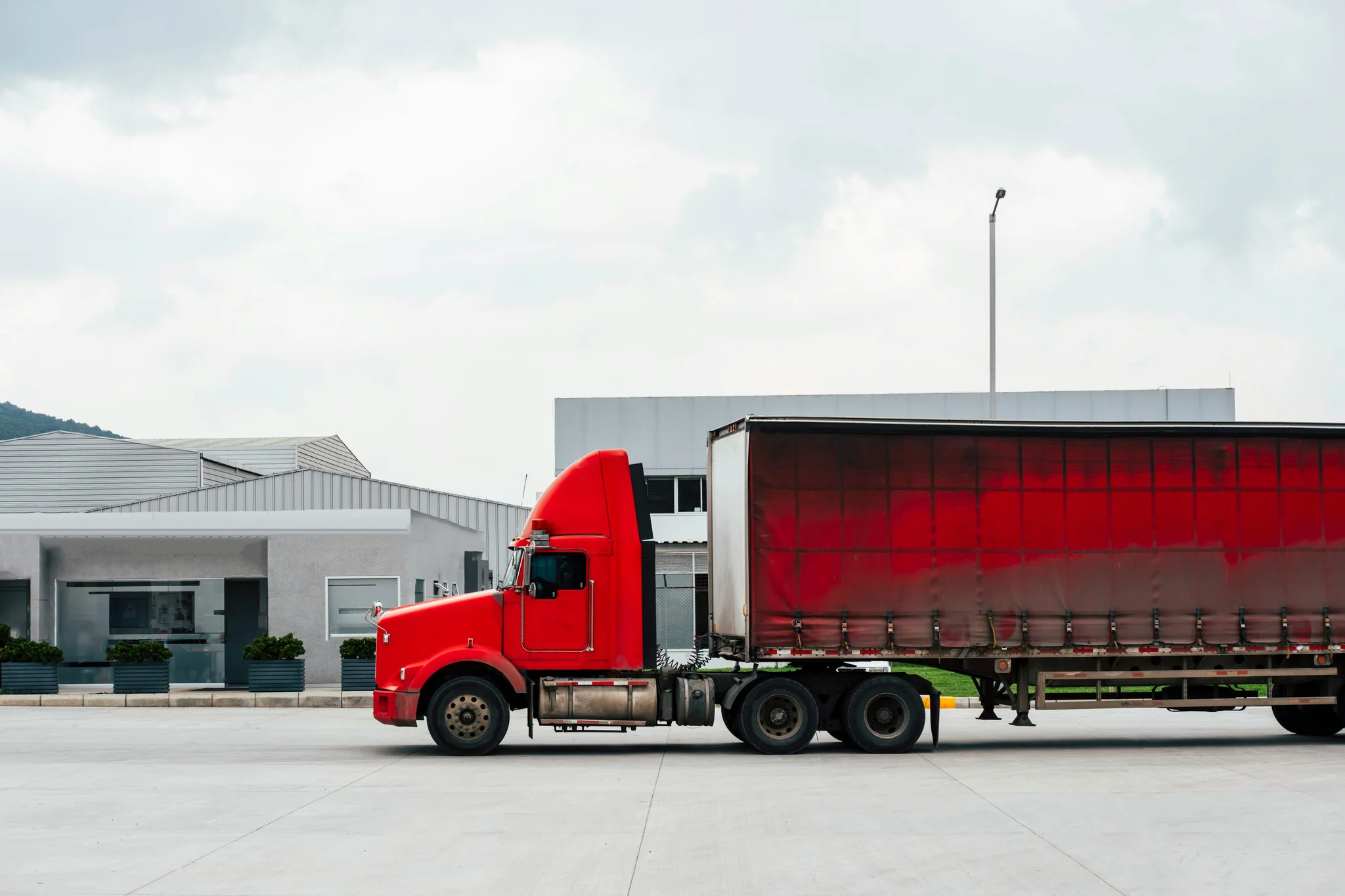
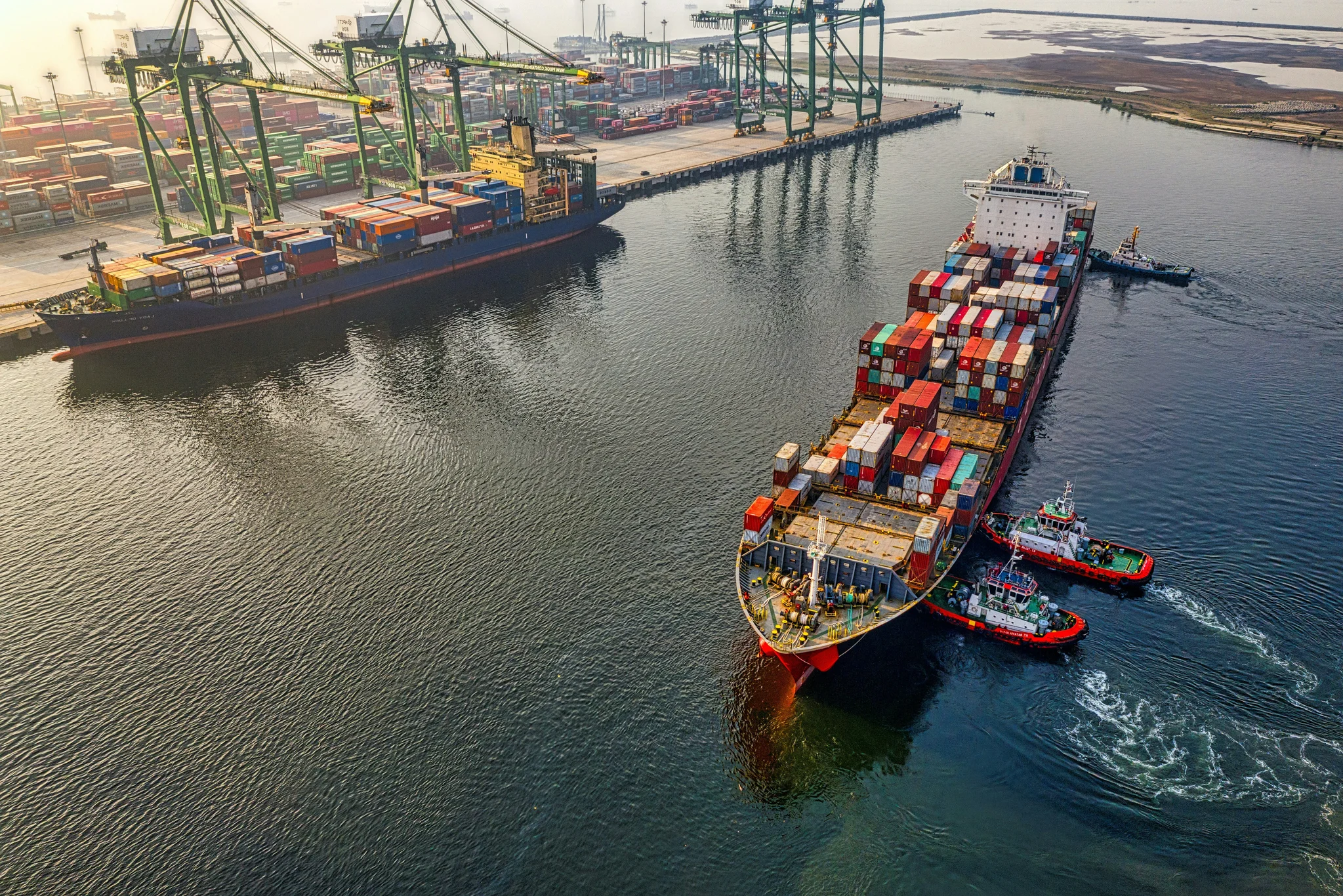
It is made up of several distinct markets. Cold chain logistics covers temperature-controlled storage and transport for food, pharmaceuticals and other sensitive goods. 3PL and warehousing providers run contract logistics, storage and distribution for retailers and manufacturers. Freight forwarding handles air, ocean, road and multimodal movement, including customs and trade compliance. Warehouse automation and robotics businesses design and deliver intralogistics systems, and logistics technology companies build the software, data and AI that connect it all.
Types of Roles
Logistics roles span commercial, operations, engineering, technology and leadership. Sales and business development professionals win and grow accounts. Operations managers and warehouse managers keep sites and shipments moving. Engineers and project teams install and maintain automated systems, and product and data specialists build the platforms behind them. Senior supply chain management roles bring these functions together.
The Industry
The industry is changing quickly. Automation and robotics are moving into more warehouses, and jobs that were once purely operational now combine technical and digital skills. Customers expect more visibility, faster delivery and greater flexibility, which puts pressure on supply chains and the people who run them. The hiring challenge has moved on from finding enough people to finding the right specialist skills, with employers competing for experienced talent in commercial, technical and leadership roles.
Motis's logistics team has recruited across these markets for 13 years, in North America, EMEA and APAC.

Specialist Logistic Recruitment Specifics
Specialist Logistic Recruitment Specifics
Cold Chain Logistics
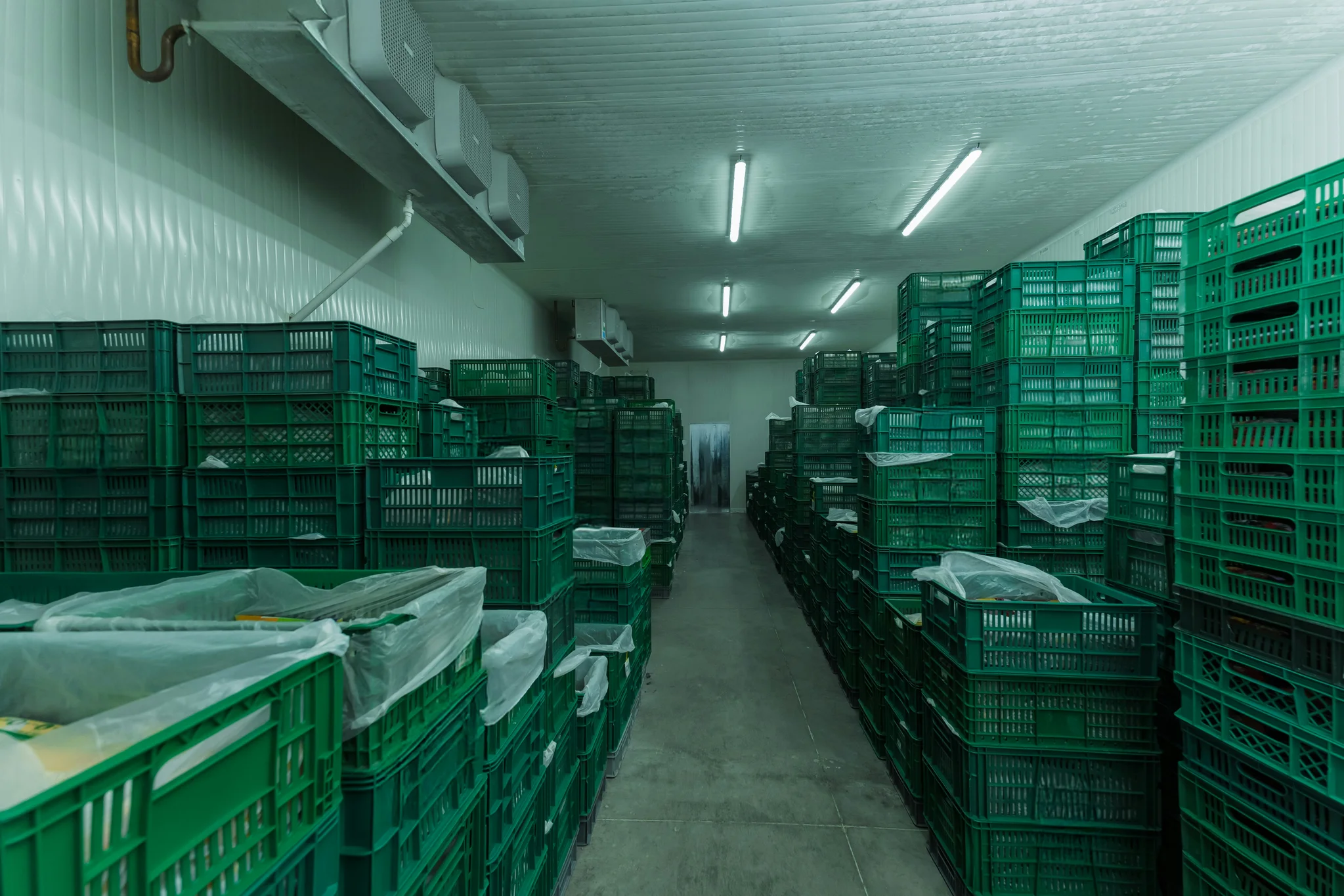
Temperature-controlled storage, refrigerated transport and distribution for food and beverage, pharmaceuticals and healthcare, life sciences and temperature-sensitive chemicals. Temperature control, regulation, refrigeration infrastructure and product integrity make it one of the most specialized markets in logistics.

3PL & Warehousing
Third-party logistics providers manage warehousing, distribution, transportation and fulfillment on behalf of other businesses. E-commerce, automation, labor availability and rising customer expectations are changing how providers operate, from single contract sites to wider supply chain solutions.
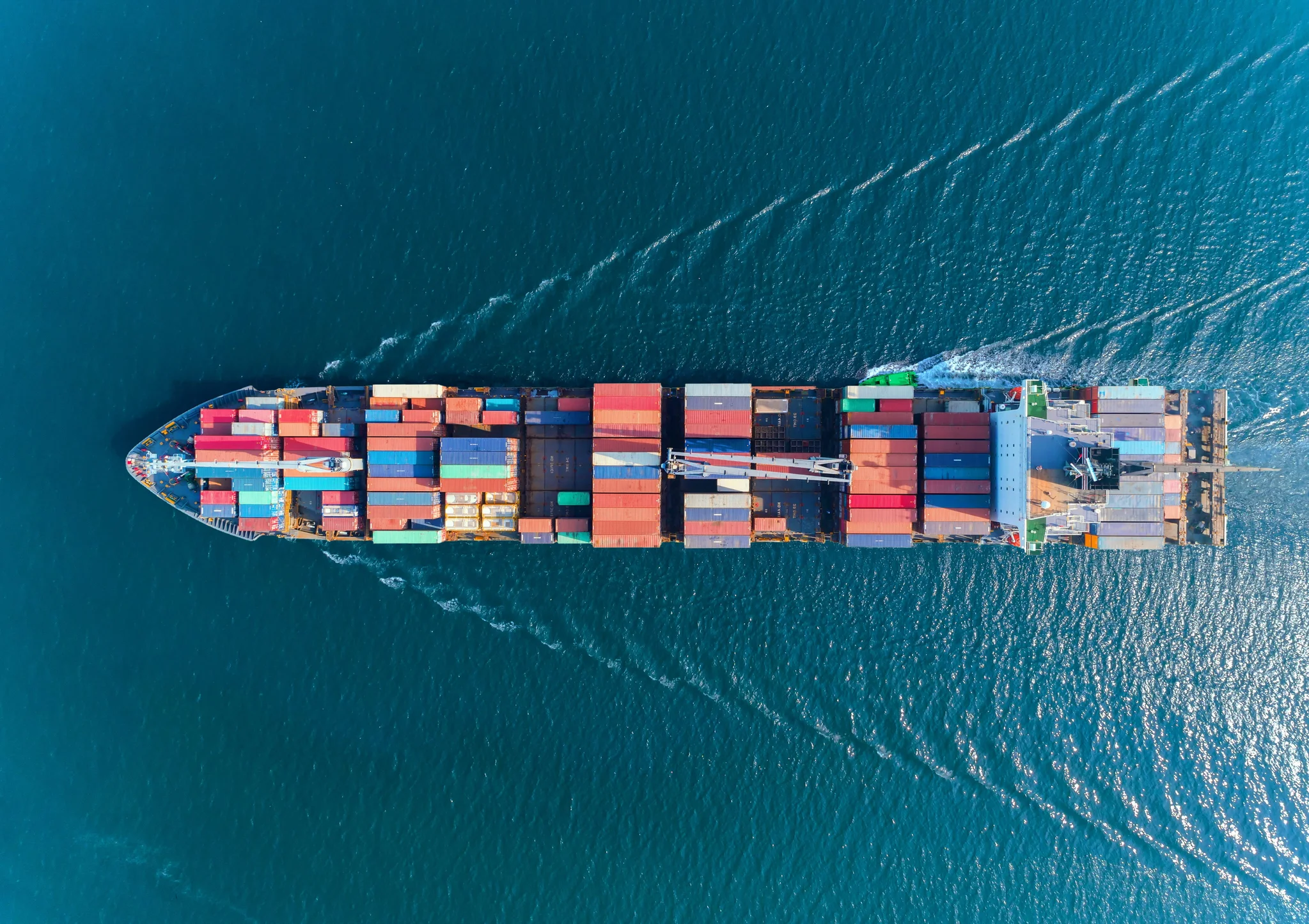
Freight Forwarding
Freight forwarders manage the movement of goods across borders by air, ocean, road and multimodal transport, handling bookings, documentation, customs and compliance. Shifts in global trade, technology and customer expectations for visibility and flexibility are changing the services they provide.
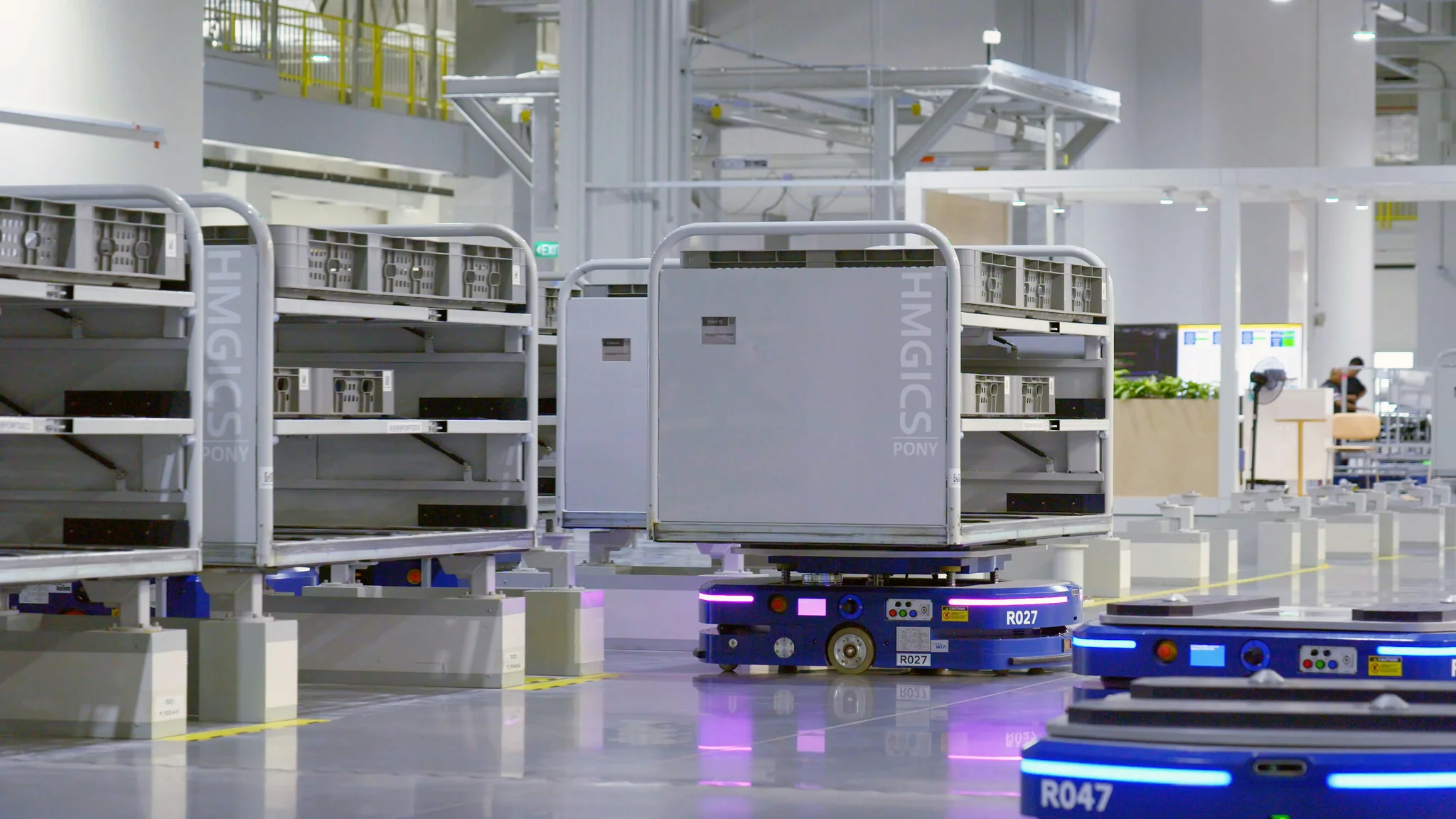
Warehouse Automation and Robotics
Intralogistics and automation businesses that design, sell and support systems for moving and storing goods. Key technologies include AS/RS, AMRs and AGVs, robotic picking and palletizing, conveyor and sortation systems, automated storage, machine vision and warehouse software.
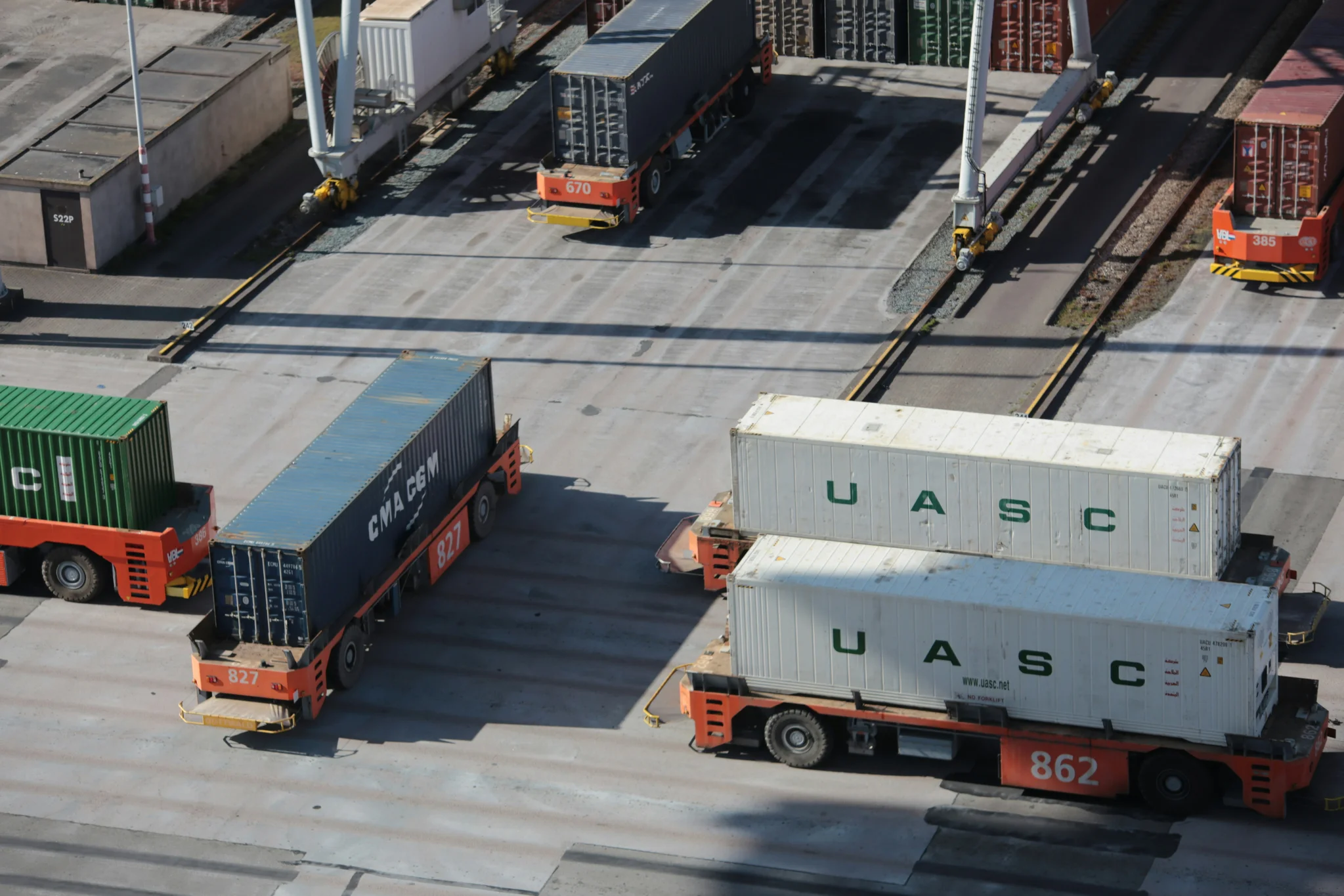
Logistics Technology
Software, SaaS, AI, data and digital platforms changing how goods are moved, stored and managed. The market spans TMS and WMS platforms, freight technology, supply chain visibility, route optimization and AI-driven solutions as logistics businesses look to cut cost and improve customer experience.
 Retained Search
A dedicated, exclusive search for senior, specialist and hard-to-fill roles, with direct approach to talent and full process management.
 Contingent Search
Success-based recruitment with Motis on your role, giving your vacancy focused attention and a fee only when you hire.
 Executive Search
Confidential headhunting for Director to C-suite appointments, built around the impact each leader needs to make.
 Talent Mapping & Salary Benchmarking
Market intelligence on where talent sits, who employs it and what it pays, so you can plan hires with evidence.
 RPO
Outsourced recruitment that scales with your volumes, run as an extension of your HR and talent teams.
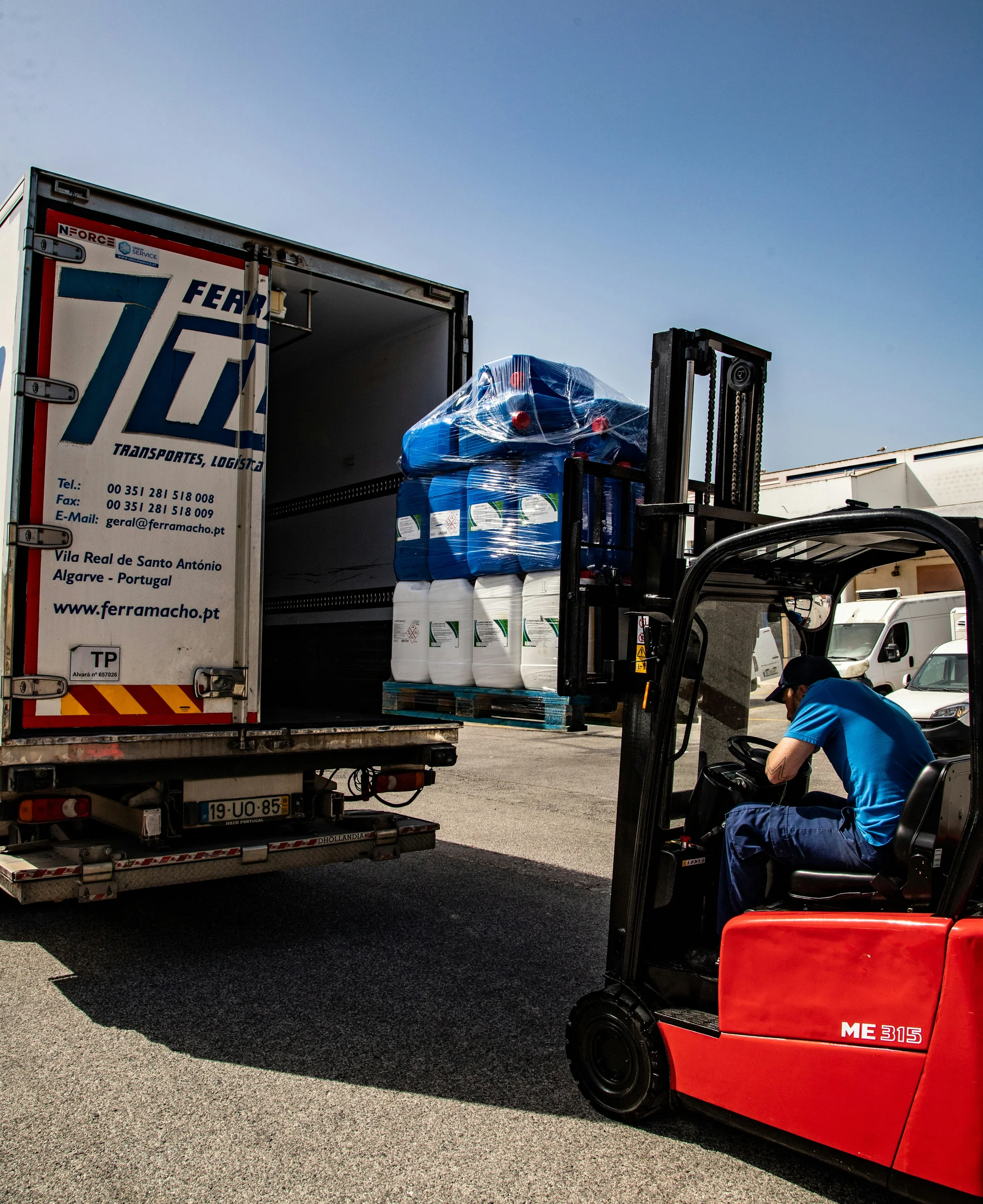

"Ryan was exceptional throughout the entire process. Professional, consistent and highly reliable, he took the time to understand my experience and motivations, ensuring the role was a perfect fit. I’d highly recommend Ryan and the Motis Logistics team."
Still looking? What about...
Featured Jobs
8 open roles
fullTime
Floating General Manager
90000 - 120000 Belvidere, United States
fullTime
Floating General Manager
90000 - 120000 Pleasant Prairie, United States
fullTime
General Manager
110000 - 130000 Caledonia, United States
fullTime
Executive Assistant to the CEO & Executive Support Lead
80000 - 95000 Amsterdam, Netherlands
fullTime
Office Manager & Executive Assistant
45000 - 60000 London, United Kingdom
fullTime
Commercial Director - Central Europe
Neg. Amsterdam, Netherlands
fullTime
Sales Account Executive
75000 - 95000 United States
fullTime
Applications Engineer
60000 - 80000 Stuttgart, Germany
Logistics
Specialist recruitment across freight forwarding, contract logistics, warehousing, LogTech and automation.
Latest Insights
Frequently asked questions
Here to support with the most common questions asked by our clients.
Is logistics in demand in the UK?
Yes. Logistics employs around 2.6 million people in the UK, roughly 8% of the workforce, and it is still hiring. Logistics UK's 2026 Employment and Skills Report says the challenge has shifted from finding enough people to finding the right skills: technical, digital, managerial and specialist capability is now the constraint on growth.
Why is there a skills shortage in UK logistics?
Technology is changing roles faster than training keeps up. Warehouse work now involves automated picking, robotics and warehouse management systems, and drivers work with telematics and digital compliance tools. The workforce is also aging: 47.7% of warehouse managers and 61.6% of HGV drivers are 45 or over, so experienced people are leaving faster than successors are progressing.
How is automation changing jobs in logistics?
Automation is reshaping roles rather than removing them. Warehouse teams now work with robotics and automated picking, drivers with route optimization and telematics, and mechanics are becoming diagnostic technicians skilled in sensors, software and battery technology. The result is more hybrid jobs that combine operational, technical and digital skills.
Which logistics jobs are most in demand?
Logistics UK highlights warehouse managers, logistics managers, transport managers, purchasing managers, transport and distribution clerks and vehicle technicians as increasingly important to future capability. They are a smaller share of employment than drivers or warehouse operatives, but they carry the productivity, service quality and resilience of the businesses they run.
What does a warehouse manager do?
A warehouse manager runs the day-to-day operation of a storage and distribution site. That means leading the team, planning labor and shifts, managing inbound and outbound flow, keeping stock accurate, meeting health and safety requirements and hitting service and cost targets. In automated sites the role also covers robotics, warehouse management systems and the data they produce.
What is the difference between 3PL and 4PL logistics?
A 3PL, or third-party logistics provider, runs logistics operations on a client's behalf, typically warehousing, transport and fulfillment. A 4PL, or fourth-party provider, sits a level above: it manages the whole supply chain for the client, coordinating several 3PLs, carriers and technology platforms and designing the overall network.