
Chemical Industry Recruitment
Industrial and Specialty Chemicals supplies the materials, formulations and additives behind almost every manufactured product. For employers hiring and professionals building careers in the sector, the talent market is as specialized as the chemistry.
Our Clients and Partners
We work with some of the top global companies and organizations in the world in each industry. We provide them with key services and solutions with their recruitment needs.














Recruitment across Coatings, Adhesives, Plastics, Lubricants, Construction Chemicals and Additives.
Industrial and Specialty Chemicals is a broad and diverse part of the global chemical industry, spanning the materials, formulations, additives and technologies that enable products and manufacturing processes across almost every major industrial market. Unlike commodity chemicals, where scale, volume and price are often the primary drivers, specialty chemical businesses compete through technical performance, application knowledge, formulation expertise and the ability to solve specific customer challenges.
The market includes
The market includes chemical manufacturers, specialty producers, distributors, formulators, systems houses and specialist technology businesses supplying industries from automotive, construction and packaging to electronics, aerospace, energy and marine.
Within this landscape are highly specialized markets.
Within this landscape are highly specialized markets. Coatings, adhesives, sealants and elastomers (CASE) protect, bond, seal and enhance the performance of materials and finished products. Plastics, composites and advanced materials enable lighter, stronger and more durable products, while performance chemicals and additives modify and optimize formulations, processing and end-product performance. Construction chemicals, lubricants, fuels and metalworking fluids complete the picture.
The industry continues to evolve
The industry continues to evolve as manufacturers respond to changing regulation, sustainability requirements, energy efficiency targets and increasingly demanding technical specifications. Low-VOC and water-based technologies, bio-based and recycled materials, lightweight composites and electrification are creating new technical and commercial requirements.
This complexity creates a specialist talent market. R&D and formulation chemists, application and technical specialists, sales and business development professionals, product managers, operations leaders and senior executives all play important roles, and the best people combine technical chemical knowledge with application expertise and customer-market knowledge.
Motis's chemicals team recruits
Motis's chemicals team recruits across these markets in EMEA, North America, APAC and the Middle East.

No Image Populated!
Specialist Chemicals Recruitment
We recruit top talent across construction chemicals, CASE, plastics, lubricants and performance additives.
The chemicals industry is made up of highly specialized markets, and experience rarely transfers across them. We recruit by sector, so we understand both the chemistry and the market it’s used in.

CASE (coatings, adhesives, sealants, elastomers)
CASE recruitment across coatings, adhesives, sealants and elastomers, from formulation and R&D to technical sales and leadership.
Plastics, Polymers & Advanced Materials
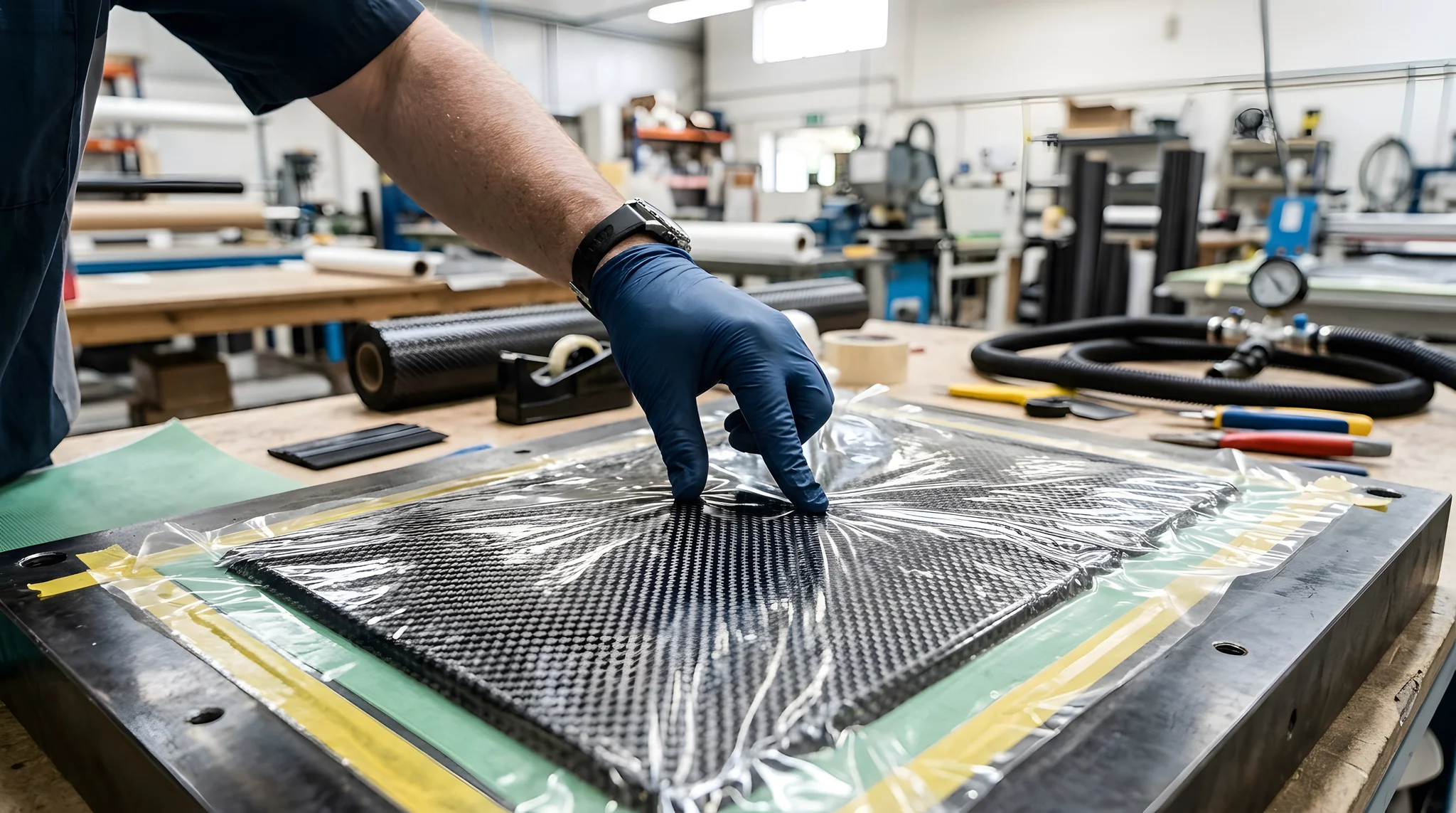
Plastics, composites and advanced materials recruitment across polymers, resins, fibers, composites, R&D and commercial roles.

Lubricants, Fuels & Metalworking Fluids
Lubricants, fuels and metalworking fluids recruitment across formulation, additives, applications, technical service and sales.


 Retained Search
A dedicated, exclusive search for senior, specialist and hard-to-fill roles, with direct approach to talent and full process management.
 Contingent Search
Success-based recruitment with Motis on your role, giving your vacancy focused attention and a fee only when you hire.
 Executive Search
Confidential headhunting for Director to C-suite appointments, built around the impact each leader needs to make.
 Talent Mapping & Salary Benchmarking
Market intelligence on where talent sits, who employs it and what it pays, so you can plan hires with evidence.
 RPO
Outsourced recruitment that scales with your volumes, run as an extension of your HR and talent teams.
Still looking? What about...
Featured Jobs
10 open roles
fullTime
Mechanical Engineer
Neg. United States
fullTime
Dispersions Specalist
Neg. United States
fullTime
Head of Regulatory Compliance & Site Director
Neg. Liverpool, United Kingdom
fullTime
19. Sales Manager – Textiles
Neg. United States
fullTime
Segment Manager - Wood Coatings
Neg. Italy
fullTime
Account Manager - Electronic Adhesives
Neg. Belgium
fullTime
Account Manager - Packaging Adhesives, Thailand
Neg. Bangkok, Thailand
fullTime
Account Manager - Packaging Adhesives
60000 - 70000 Antwerp, Belgium
fullTime
Sales Director - UK
Neg. United States
fullTime
Account Manager, WA
95000 - 120000 Longview, United StatesLatest Insights
Frequently asked questions
Here to support with the most common questions asked by our clients.
What is the difference between specialty and commodity chemicals?
Commodity chemicals are made in large volumes to a standard specification and compete mainly on price and scale. Specialty chemicals are made for a particular function or customer need, such as a coating that resists corrosion or an additive that improves a plastic, and compete on technical performance, application knowledge and service.
Which industries use specialty chemicals?
Specialty chemicals supply industries including automotive, construction, packaging, electronics, aerospace, energy, manufacturing and marine, as well as consumer products. Coatings, adhesives, plastics, additives and lubricants end up in everything from vehicles and buildings to packaging and electronics.
What jobs are there in the chemical industry?
Beyond laboratory roles, the industry employs R&D and formulation chemists, application and technical specialists, sales and business development professionals, product managers, operations and manufacturing leaders and senior executives. Many roles combine technical chemical knowledge with commercial understanding of a specific customer market.
What does a formulation chemist do?
A formulation chemist develops and improves the recipes behind chemical products such as coatings, adhesives, lubricants or personal care ingredients. They select and blend raw materials, test performance against a specification, scale lab results up for manufacturing and adjust formulations as regulation, cost or customer requirements change.
How is sustainability changing the chemical industry?
Regulation, sustainability requirements and energy efficiency targets are changing what manufacturers make and how they make it. Examples include low-VOC and water-based coatings, bio-based and recycled materials, lightweight composites and technologies for electrification and batteries. These shifts create new technical and commercial requirements across the sector.
What is the difference between R&D and technical service roles in chemicals?
R&D roles develop new products and formulations in the lab. Technical service and applications roles support customers in using those products, solving performance problems and testing them in real-world processes. Both need strong chemistry, but technical service also needs customer understanding.